.webp)
SPRING
MAR - MAYMild weather, active wildlife and the start of the hunting season on Vancouver Island.

A comprehensive reference on big game species biology, provincial conservation statutes, approved harvesting techniques, protected ecological sanctuaries, guide outfitter mandates, and ethical fair-chase protocols across Region 1.
.png)
.webp)
This content is based on the 2026–2028 Hunting and Trapping Regulations Synopsis. Check current regulations before hunting.
Big Game is a large animal pursued and hunted, especially for sport. However, big game hunting on Vancouver Island, despite being an adventure, is not just entertainment. Most hunters know the hunting of game animals among the most memorable experiences of their lives. They use their big game products for food, clothing, decoration, implements, and even weapons.
Hunting can be done for several purposes, including conservation. For instance, hunters help wildlife managers control the population of different species. Therefore, big game harvesting is an efficient tool to conserve wildlife and habitat if managed and studied properly.
For this purpose, the federal and provincial governments in Canada have regulated hunting and trapping. These regulations use different factors such as hunting methods, bag limits, protected area designation, seasonal restrictions, licensing and registration, and other techniques to control and manage hunting. The laws and policies for this purpose are divided into different regions in BC, and big game hunting on Vancouver Island is no exception.
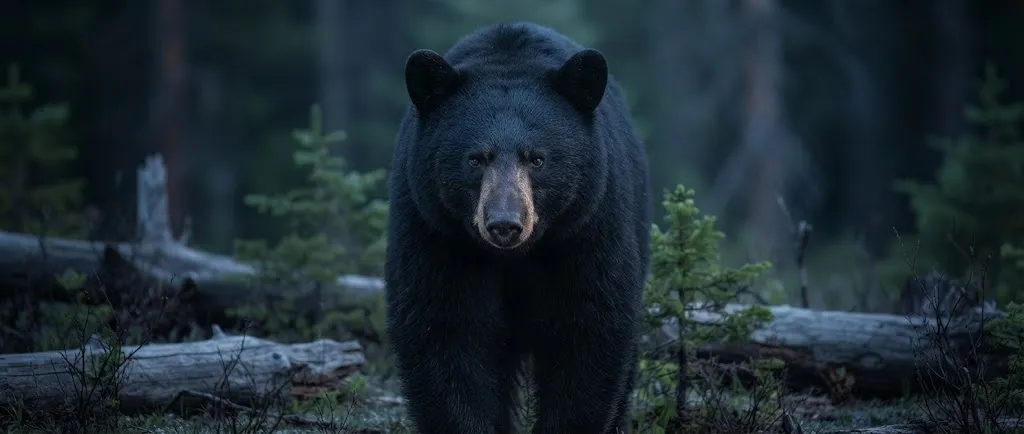
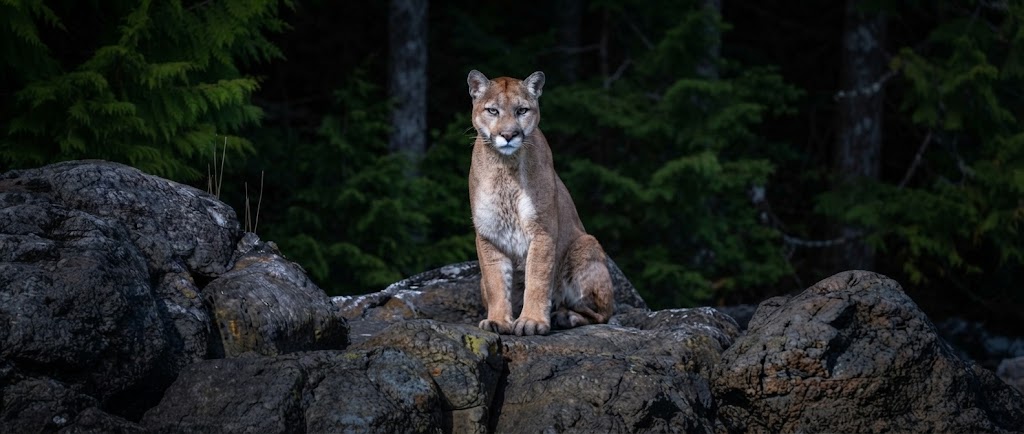
It is also part of Vancouver Island's Indigenous peoples' tradition to hunt big game animals. Some of these animals are significant in number. Among them are cougars. Of 4000 cougars that live in BC, 600-800 exist on Vancouver Island. Also, over 7,000 black bears are on the island. Having such potential has made Vancouver Island an ideal destination for hunting big game animals.
.webp)
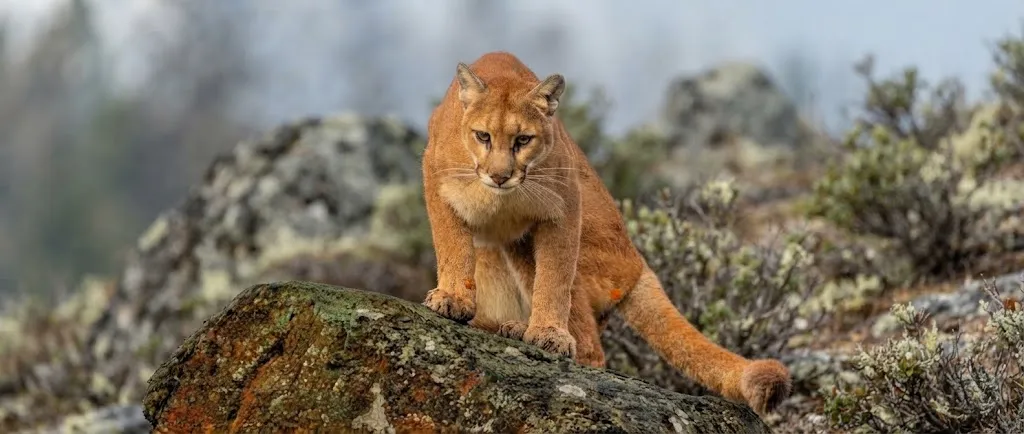
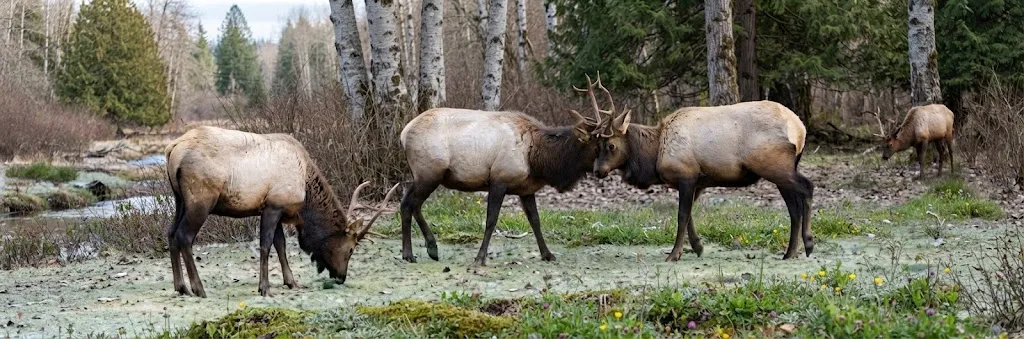
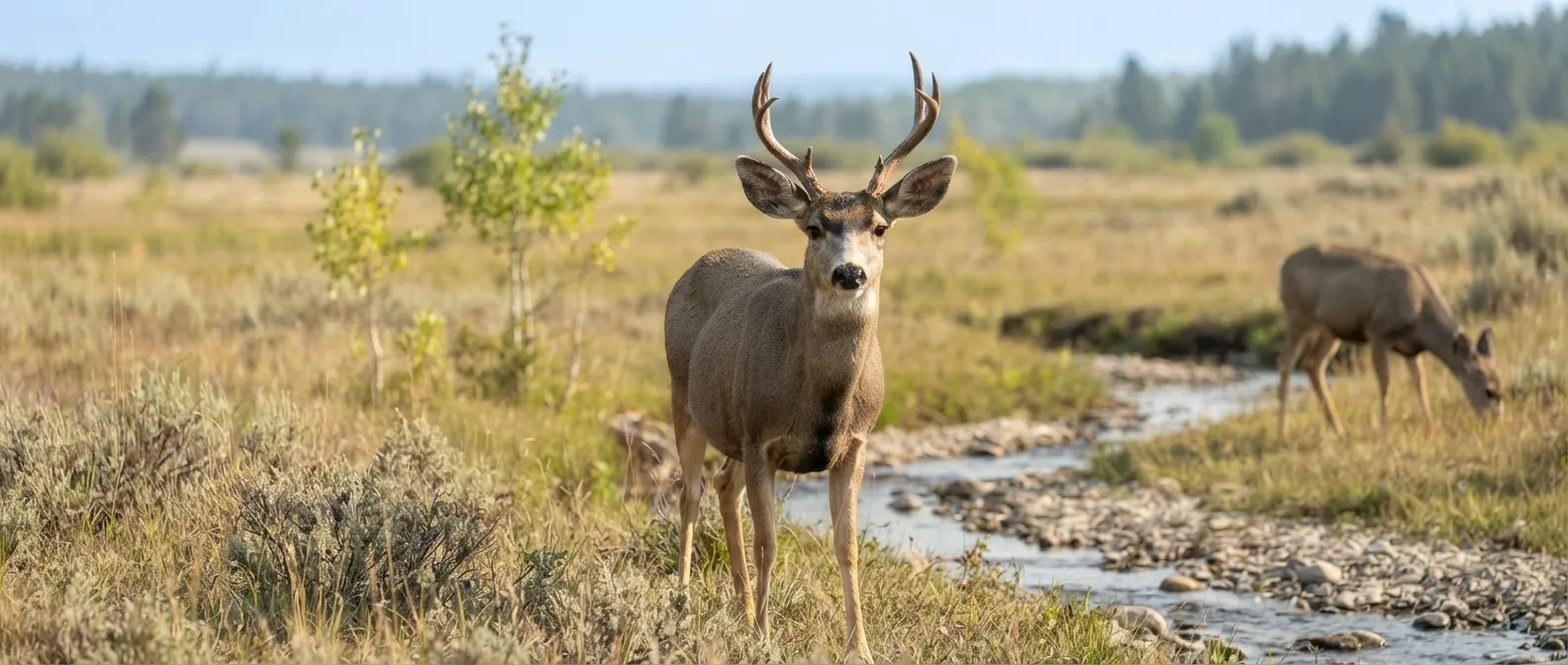
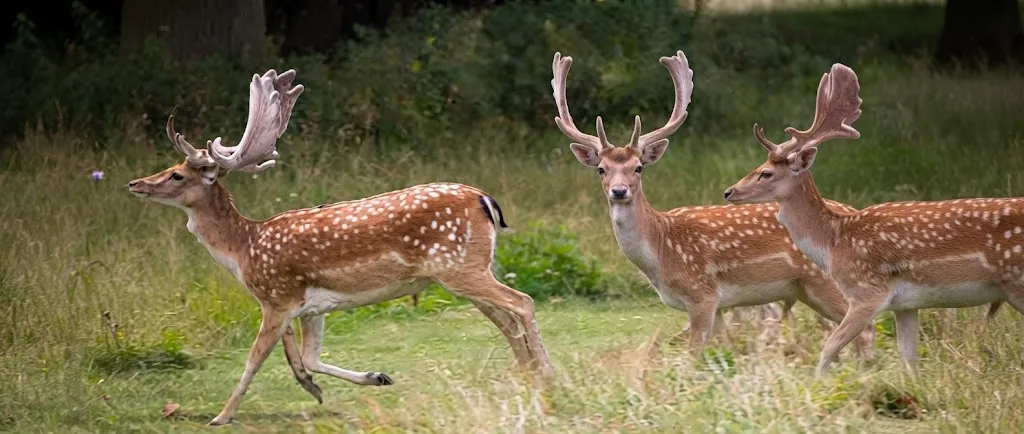
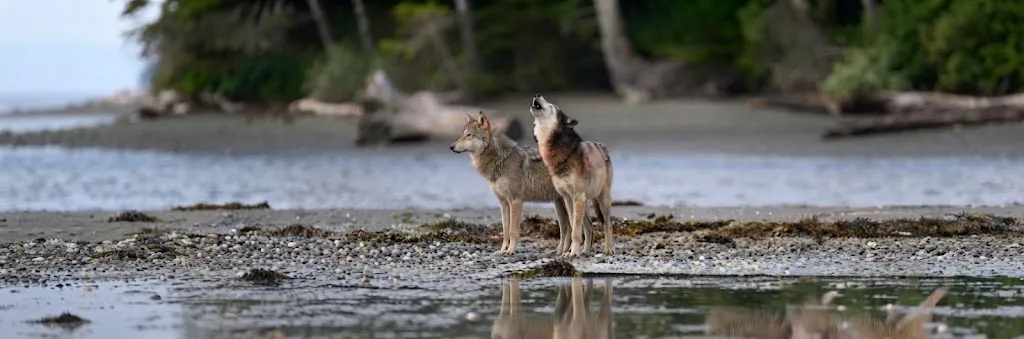
Big game hunting requires physical and mental strength. Hunters also may have challenges with weather conditions. Some big game animals prefer being in remote areas, away from road access and the accompanying negative human activity. That is why being prepared for all difficulties, challenges and even barriers is necessary.
Your hunt may be sensitive, as most big game animals are. The keen sense of smell, vision, and hearing are characteristics that some are described with. Prepare for them before by using equipment like scent sprays and blinds. Once you are at your hunting site, be quiet and wait for your hunt.
There are bonuses in your big game hunting trip that you can make to opportunities. While you plan to harvest a specific animal, your hunting trip may combine with other big game or small game animals. If you have the required licence, that would be a chance.
As the open season for all big game animals matters, do your hunt at its legal time. You have possibilities for hunting numbers of them every season, but for black bears, it is double. Hunters can chase black bears in spring and fall.
If you are after trophies, don't skip big game hunting. Your trophy could be fur, head, horns or antlers, and even preserving the entire animal via taxidermy.
PRISTINE WILDERNESS / ABUNDANT WILDLIFE / UNFORGETTABLE EXPERIENCES
Mild weather, active wildlife and the start of the hunting season on Vancouver Island.

Long days, lush landscapes and peak activity for many species.

Golden forests and crisp air. Prime season for black-tailed deer, elk, and cougar hunting.
.webp)
Snow-covered wilderness and advanced tracking. Late-season deer and wolf hunting in rugged mountains.
British Columbia Government published regulations for hunting. According to its Hunting and Trapping Regulations Synopsis, non-resident and non-resident alien hunters are required to be accompanied by a guide outfitter, assistant guide outfitter or a holder of a permit to accompany at all times when hunting big game, regardless of the type of licence (restricted or unrestricted) they have.
Big game outfitters know how to track your target animal through "telltale signs" like foot tracks, claws and bite marks, and scent markers. Finding a spot to suit you makes your hunting trip unforgettable, and outfitters also make it easier for you. They know the feeding and living areas of the big game. Outfitters can also lead you to the habitats of other big or small game animals to maximize your chances for other species.
Having a checklist for your big game hunting is necessary, but you may not have all the gear. Outfitters provide you with equipment and teach you how to use them. They try to ensure that every hunter involved in that trip would have the best chance of a successful hunt.
It is time to find your big game by applying all the knowledge and skills you have for hunting. How do you spot and stalk? Do you use decoys? Do you prefer the help of big game indicating dogs? Now you are in nature and staying still and quiet, hearing your own heartbeat. Any movement makes you cautious of your big game nearby. You have been prepared for this moment, and your shot will end your hunting trip. How would you do that? Maybe traditional hunting methods like bow hunting or rifle hunting.
Firearms are a common choice for big-game hunting because they allow hunters to make accurate, effective shots at appropriate distances. Black bear, cougar, wolf, and deer may be hunted with centrefire rifles. Where shotguns are permitted, they must be 20 gauge or larger and use No. 1 Buck or larger shot. Shotguns are not permitted for hunting elk, but elk may be harvested with a legal centrefire rifle, muzzleloader, or bow.
You need to be an experienced hunter to spot and stalk your big game. Each animal has its own behaviour in touch with nature. Identifying its tracks and signs helps hunters know if it is nearby. Most hunters prefer tracking their big game instead of waiting for it to draw to them. For this purpose, you may need equipment. A beginner with a big game guide who is a skilled tracker can almost guarantee contact with the game.
Bowhunting is a quiet method for hunting your game. It allows you to bag several animals and doesn't make other animals run away. Its power isn't the same as a rifle, but hunters almost use it to harvest big species because small ones are hard to shoot. Besides big game open seasons, bowhunting is permitted during special bow-only seasons.
Decoys are excellent tools to draw a particular animal to a hunter. Using decoys reduces the skill level that a hunter needs. Hunters set decoys at specific spots of fowl-enticing calls or scents within sight of camouflaged hunters. In this way, they increase the success rate.
Dogs can assist hunters with certain big-game species. Unleashed dogs may be used to pursue black bears and cougars during an applicable open season. When dogs are used to hunt deer or elk, they must be on a leash and under the hunter's direct control.
A call is a method of hunting. Knowing its meaning, usage, and practice would be necessary. You can use recorded or electronic calls to call wildlife like wolves and cougars. Some hunters make calls with their hands and mouths, and some use store-bought or homemade devices for hunting calls.
Wolf trapping is regulated separately from wolf hunting. A person must be properly licensed or otherwise authorized to trap and must comply with applicable trapline, trapping-season, reporting and trap requirements. Certain restraining traps used for wolves must be species-specific traps certified under the Agreement on International Humane Trapping Standards (AIHTS).
Some ways of hunting from a blind like blinds treestand or ground blind can be available on request for big game such as black bear, black-tailed deer, fallow deer, wolf, and elk. Guides keep very close contact with you while you are on the stand.
.webp)
Essential Field Gear • Vancouver Island Rainforest Terrain
Before heading out to hunt your big game on Vancouver Island, it is necessary to prepare a checklist of what you need.
First of all, having a backpack is required for your equipment. Your clothes may include hiking boots, waterproof pants and jacket, socks, hunting pants, short-sleeve shirt, long-sleeve shirt, gloves, hat, and layer clothing.
As you may spend hours or days in nature, don't forget about camping items and food or snacks. Rifle or archery equipment and heavy grain ammunition are your harvesting necessities. Binoculars, duffle bags, and tracking tools can also be on your hunting list.
The price of hunting big game on Vancouver Island may vary. Several factors influence package prices for big game hunting: duration, hunting methods, licence, tags, services, guide, and tax. But generally, the cost may start at $2,500.
If you are interested in big game customized tours on Vancouver Island at a reasonable price, we at Vanisle Hunters make it easy for you. So, please fill in the following form and wait for our response.
Some hunters prefer to go after small game, and others may favour big game. Choosing between them mostly depends on your purpose, price, licence, skill, and the potential of the area you want to hunt.
In B.C., big game is defined by species rather than by an animal's size or weight. It includes animals such as deer, elk, black bear, cougar, wolf, and other species designated by regulation.
Small game is also defined by species rather than weight. It includes animals such as raccoon, coyote, skunk, snowshoe hare, and game birds.
A hunting licence is a must on Vancouver Island. There are three different types of hunting licences. Whether you are a BC resident or non-resident, you have to follow big game hunting rules as a licence holder. A BC resident hunter must have a Fish & Wildlife ID, age, and several other conditions. Licences are offered at various prices for each type of licence and species. For more information about big game licences on Vancouver Island, visit the Hunting Licence on Vancouver Island.
Find answers to the most common questions regarding regulations, costs, seasons, and field best practices for big game hunting in British Columbia.
Big game hunting is the act of hunting animals almost over 40 pounds (18 kg) in weight, which are legally allowed to harvest.
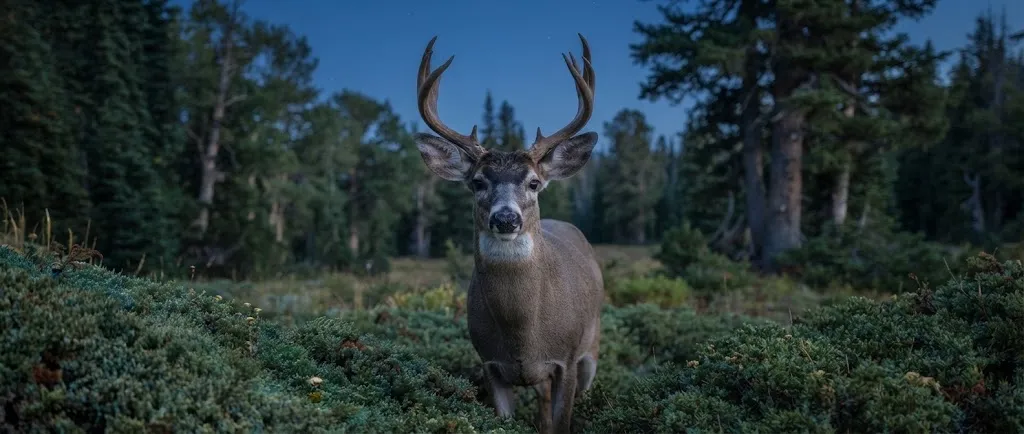
Bear, cougar, elk, deer, black-tailed deer, fallow deer, and wolf are among the big game animals you can harvest on Vancouver Island.
Hunting big game usually confronts hunters with difficulties, and it needs experience, which most of the time, big game outfitters take care of that. Always be prepared for your big game. Calling, using decoys and traps may ease your hunting trip. As the number of fallow deer on Vancouver Island is significant, you may have more possibilities to hunt a big game animal like that.
Small and big game hunting differs in hunting methods, equipment, licences, tags, prices, and trophies. Big game hunters are required to have more physical strength. There would be less difficult to take your small game out of the woods. Also, the practice of small game hunting teaches you valuable skills necessary for hunting big game.
As you can not hunt big game animals against the law, and these regulations are based on scientific studies, any harmful impact would be restricted. Hunters use their big game products for food, clothing, decoration, implements, and weapons. Also, sometimes this act is to conserve the ecosystem or control the animals' number.
Hunting big game on Vancouver Island is not illegal, but you have to consider some terms and conditions for hunting before planning for a hunt, including open seasons, bag limits, tags, licences, and hunting methods.
Big game hunting is not an easy sport. You have to know anything about your hunt and apply safety tips and regulations to minimize any danger.
Trophy hunting is to obtain an animal's body parts like heads, hides or claws, and even the whole body. Trophy hunters hang these parts on the wall and pose in photos.
The cost of a big game hunting tour on Vancouver Island depends on duration, hunting methods, licence, tags, services, guide, and tax. Generally, it may start at 2,500$.
Roosevelt elk and cougar are among the most expensive hunts on Vancouver Island.
How to become a big game hunter?
According to BC Law, all BC resident hunters must have a Fish and Wildlife ID and hunting credentials. All non-resident hunters interested in hunting big game in the Province of BC are required to be accompanied by a licensed guide outfitter, an assistant guide outfitter hired by a guide outfitter or a resident who holds a Permit to Accompany.