


Experience world-class hunting on Vancouver Island with licensed professional outfitters and experienced local guides.
Hunting black bears plays a role in population management, ensuring a healthy balance between wildlife and human activity. Vancouver Island's black bears are particularly valued for their luxurious fur, tender and flavorful meat, and their adaptability to various habitats. The high-quality fur is prized for its durability and beauty, while bear meat offers a unique culinary experience, particularly when the bears have been feeding on berries. Additionally, rendered bear fat is a versatile resource for cooking and other uses.
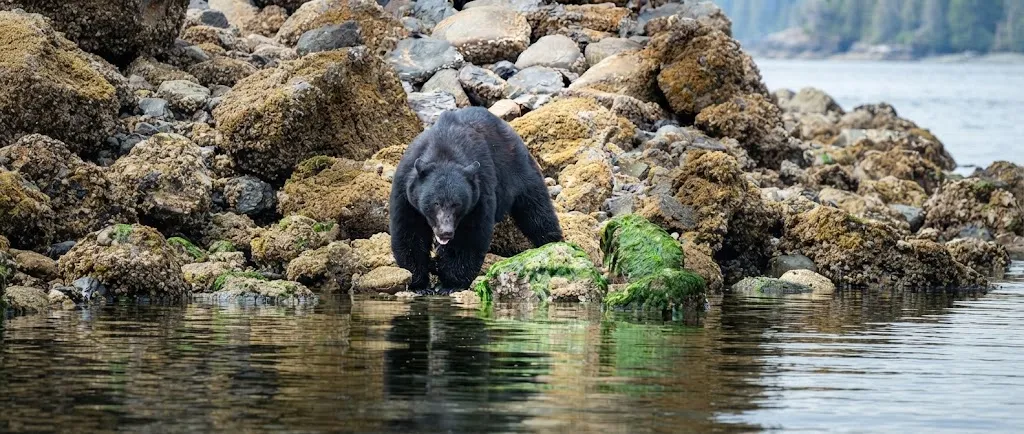
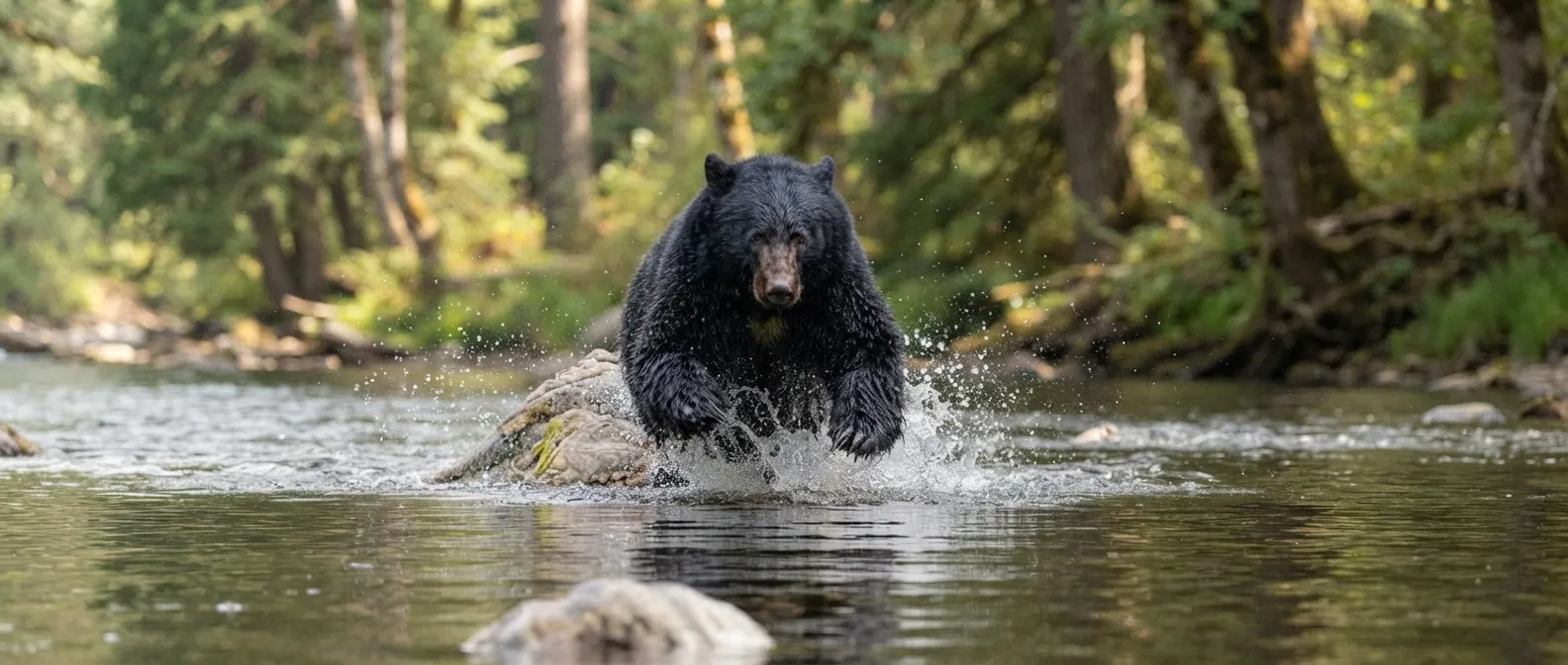
Black bears are commonly found in areas such as clear cuts, berry patches, lower elevations near streams, and hardwood forests. Popular hunting locations include Tofino, Ucluelet, Campbell River, and Port Alberni. Hunters must observe all applicable no-hunting, no-shooting, access, and black-bear-specific closed areas. Black bear hunting is prohibited within 800 m of the intersection of Beaver Cove Road and Telegraph Cove Road in MU 1-11, and additional black bear closures apply in designated portions of MUs 1-14 and 1-15. Always check the current regulations and applicable maps before choosing a hunting area.
Locating naturally occurring feeding areas can be an effective way to find black bears. Depending on the season, bears may frequent berry patches, orchards where lawful access is permitted, streams, and areas containing naturally occurring carrion. Hunters must not place bait or use a dead animal or any part of it as bait when hunting black bears.
According to the Hunting and Trapping Regulations Synopsis, hunting is prohibited in all national parks and ecological reserves, while hunting restrictions vary among provincial parks. Hunters must check the rules for the specific park before hunting. It is also unlawful to hunt a black bear less than two years old or any black bear in its company.
The ideal times for bear hunting on Vancouver Island are spring (April to June) and fall. During spring, bears are more active after hibernation and during the breeding season. Fall provides opportunities to hunt bears as they forage extensively in preparation for winter. Early mornings and late evenings are prime times for spotting active bears.
Vancouver Island includes many protected areas where hunting is prohibited or restricted, including national parks, ecological reserves, and certain provincial parks. Hunters should always confirm whether hunting is permitted in a specific park or protected area before entering the field. Areas such as Pacific Rim National Park Reserve, Gulf Islands National Park Reserve, and protected lands around Greater Victoria may have additional hunting, firearm, or access restrictions. Always check the current regulations and applicable park boundaries before planning a hunt.

Tracking black bears involves recognizing various signs of their presence. Look for:
Understanding these signs can significantly increase your chances of a successful and safe hunt.
Black bear hunting is prohibited in all national parks and ecological reserves.
It is unlawful to hunt a black bear less than two years old or any black bear in its company.
Hunters must not place bait or use a dead animal as bait when hunting black bears.
Hunting restrictions vary among provincial parks; always check specific park rules before entering.
Black bear hunting is prohibited within 800m of the intersection of Beaver Cove Road and Telegraph Cove Road.
Additional black bear closures apply in designated portions of Management Units 1-14 and 1-15.
Grizzly bear hunting is strictly prohibited throughout British Columbia, including Vancouver Island.
Always observe all applicable no-hunting, no-shooting, and access-closed areas while in the field.
The cost of bear hunting on Vancouver Island varies depending on factors such as the duration of the hunt, licensing fees, guide services, and hunting methods. Prices typically start at $3,000 for guided trips. Investing in a professional outfitter ensures access to prime hunting areas and enhances the overall experience.
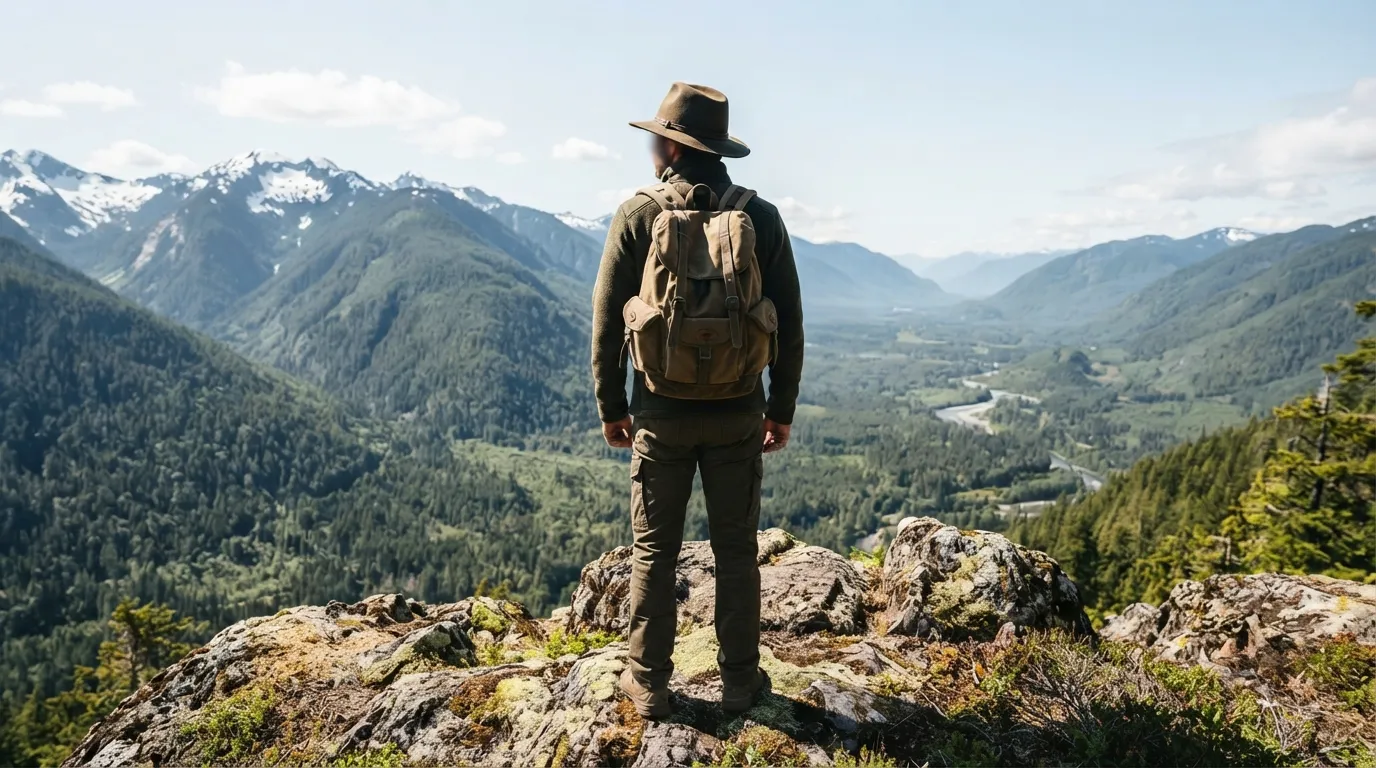
Non-resident and non-resident alien hunters must be accompanied while hunting big game by a guide outfitter, assistant guide outfitter, or an eligible B.C. resident holding a valid Permit to Accompany. Professional guides and outfitters can also provide local knowledge, assist with regulatory compliance, and help hunters access suitable hunting areas.
Research seasons, requirements, and logistics well ahead of time.
Select appropriate Management Units (MUs) and verify local boundaries.
Acquire your hunting license and species tags prior to your trip.
Partner with certified guides who prioritize safety and sustainability.
Always inform someone of your hunting plans and estimated return time.
Avoid hunting alone; if you must, prioritize safety measures.
Be aware of bears' keen sense of smell—store food and waste securely.
Stay calm and avoid running if you encounter a bear; they are faster than you think.
Familiarize yourself with the terrain and use it to your advantage during the hunt.
Carry bear spray and know how to use it effectively; ensure you have a reliable means of communication in case of emergencies.
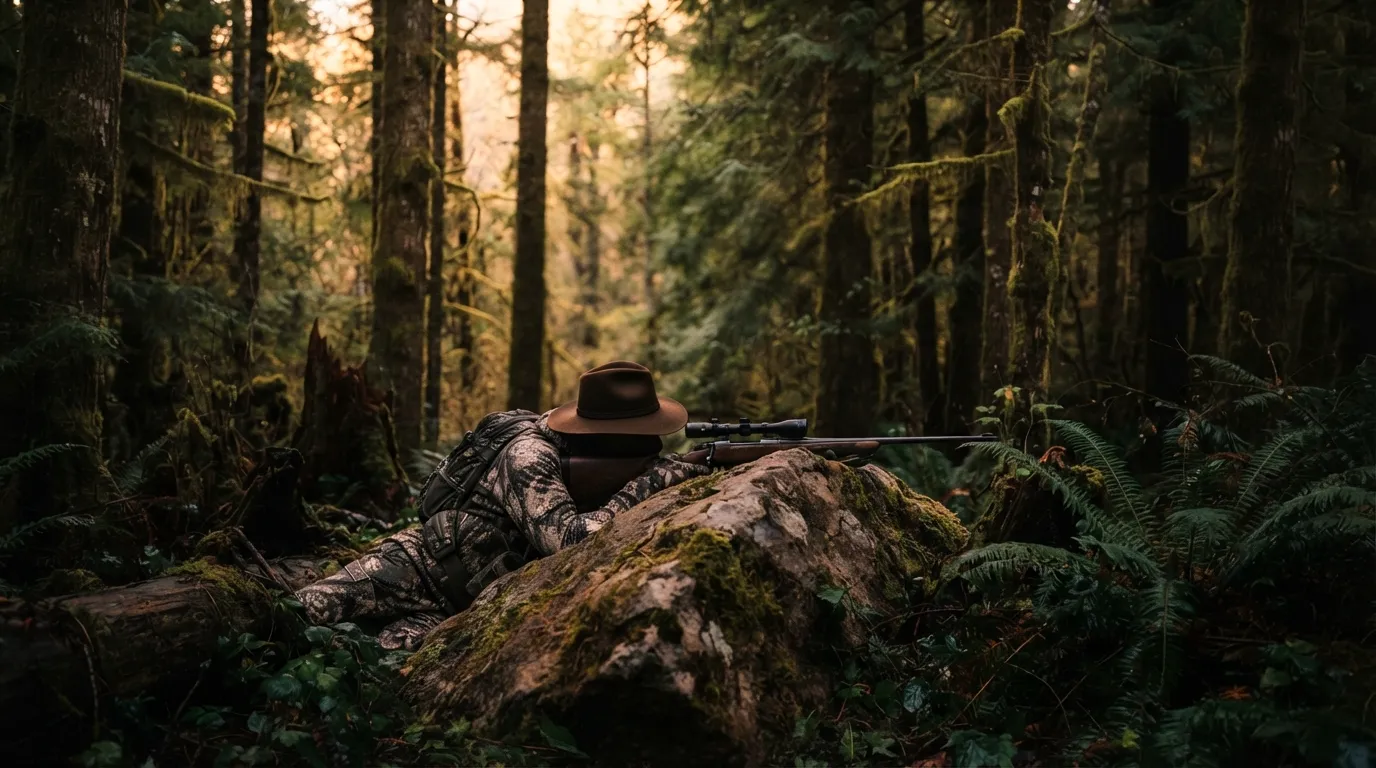
Hunting plays an important role in conservation by maintaining healthy wildlife populations and supporting habitat preservation. Ethical hunting practices ensure a balance between wildlife sustainability and recreational activities. Key principles include:
Hunting helps prevent overpopulation, reducing human-wildlife conflicts and ensuring sufficient food sources for animals.
Hunters should aim for clean, precise shots to minimize animal suffering.
Always follow hunting laws, including no-hunting zones and restrictions on baiting or hunting protected species.
Fees from hunting licenses contribute to wildlife conservation projects, protecting habitats and other species.
Before embarking on a black bear hunt, preparation is key. Here's how to get started:
Proper preparation ensures a rewarding and safe hunting experience.
Vancouver Island's diverse ecosystems offer ideal habitats for black bears. Common areas include:
Rich in food sources like berries, nuts, and fish.
Ideal for spotting bears foraging for food.
Bears frequent these areas during salmon runs.
Higher elevations may offer a chance to spot bears in more secluded areas.
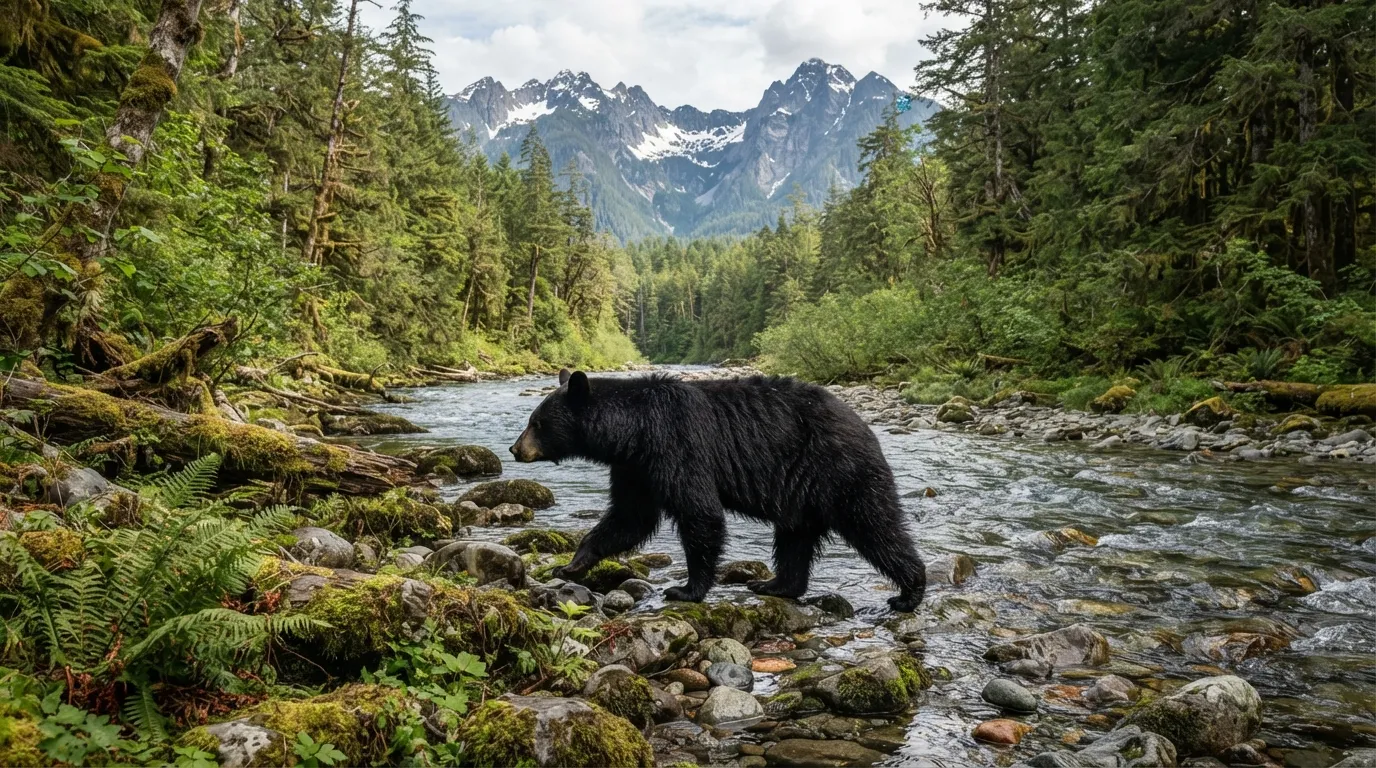
Bear meat is a flavorful and versatile game meat that can be a highlight of your hunting experience. Here are essential tips for preparation and cooking:
Preparation: Ensure the meat is handled and stored properly to prevent spoilage or contamination. Trim fat, as it can retain strong flavors.
Cooking: Popular methods include roasting, smoking, and making stews. Bear meat is often compared to a hybrid of pork and beef.
Recipes: Try bear chili, slow-cooked roasts, or smoked bear sausages. Berries pair well as a side dish or glaze.
Bear Fat: Rendered bear fat is prized for cooking and can be used for frying or baking.
For those exploring Vancouver Island’s wilderness, knowing how to coexist safely with black bears is essential. Follow these proven principles:
Use bear-proof containers for food and garbage. Avoid leaving food scraps or scented items outdoors.
Make noise while hiking to avoid surprising a bear. Travel in groups whenever possible.
If you encounter a bear, stay calm. Do not run. Back away slowly while making yourself appear larger.
Carry bear spray and know how to use it effectively.
Stay informed with the latest updates and official regulations before heading into the field:
Find answers to the most common questions regarding regulations, costs, seasons, and field best practices for black bear hunting in British Columbia.
The cost of black bear hunting on Vancouver Island starts at approximately $3,000. Prices vary depending on factors like the duration of the hunt, licensing, tags, guide services, and additional taxes or fees.
Vancouver Island is home to one of the densest black bear populations in the world, with estimates ranging from 7,000 to over 12,000 black bears (official provincial wildlife data cites over 7,000). The Island's mild maritime climate, lush temperate rainforests, and rich seasonal salmon runs provide optimal habitat for a thriving population.
There is one unique, recognized subspecies on the Island: the Vancouver Island black bear (Ursus americanus vancouveri). Having evolved in isolation from mainland bears for over 10,000 years since the last ice age, this subspecies is recognized for its larger average body and skull dimensions, robust dentition, and exclusively dark jet-black coats.
Yes, black bear hunting is legal in Canada and is tightly regulated by provincial and territorial wildlife branches. In British Columbia, hunts are administered under the BC Wildlife Act with strict bag limits (maximum 2 black bears per license year in Region 1), mandatory licensing, established spring and fall open seasons, and ethical rules prohibiting baiting, hounds, and the harvest of cubs or females accompanied by cubs.
Bear hunting is permitted on designated public Crown lands, working forest logging cutblocks, and approved Management Units within Region 1 (MUs 1-1 through 1-15). Hunting is strictly prohibited in Provincial Parks, National Park Reserves (such as Pacific Rim), ecological reserves, municipal boundaries, and designated no-shooting or closed corridors.
Early mornings (the first 2 to 3 hours after dawn) and late afternoons into dusk (the final 3 hours before sunset) are the most productive times. Black bears are crepuscular and most actively feed during the cooler hours of the day, grazing on grasses, shoots, or berries in open clearings and retreating to dense timber during midday heat.
Spot-and-stalk is the primary, most effective, and most ethical hunting method on Vancouver Island. In the spring, hunters glass open south-facing clear cuts, logging cuts, and coastal estuaries where new vegetation sprouts first. In the fall, efforts focus on salmon-bearing streams and high-elevation berry patches, glassing from strategic vantage points before planning a careful stalk into shooting range.
While black bears are typically shy and avoid human encounters, hunting them carries inherent wilderness risks. Potential hazards include tracking wounded animals, surprising a bear at close quarters, or dealing with defensive sows. In addition, the Island's steep terrain and dense coastal rainforest pose navigational challenges. Carrying bear spray, using GPS satellite communicators, and hunting with experienced, licensed guide outfitters significantly mitigate these risks.
How to hunt black bears without dogs?
Black bears are omnivores, so finding and targeting their feeding areas is how most hunters have successful experiences bear hunting without dogs on Vancouver Island.
What dose a black bear eat?
Farm crops and plants like nuts and berries make up most of their diet.