
SPRING HUNTS
MAR – MAYMild weather, active small game, and opening springtime woodland foraging opportunities.

A comprehensive reference on small game species biology, provincial conservation statutes, approved harvesting techniques, protected ecological sanctuaries, guide outfitter mandates, and ethical fair-chase protocols across Region 1.
.webp)
Attention: This content is based on the 2026–2028 Hunting and Trapping Regulations Synopsis. Check current regulations before hunting.
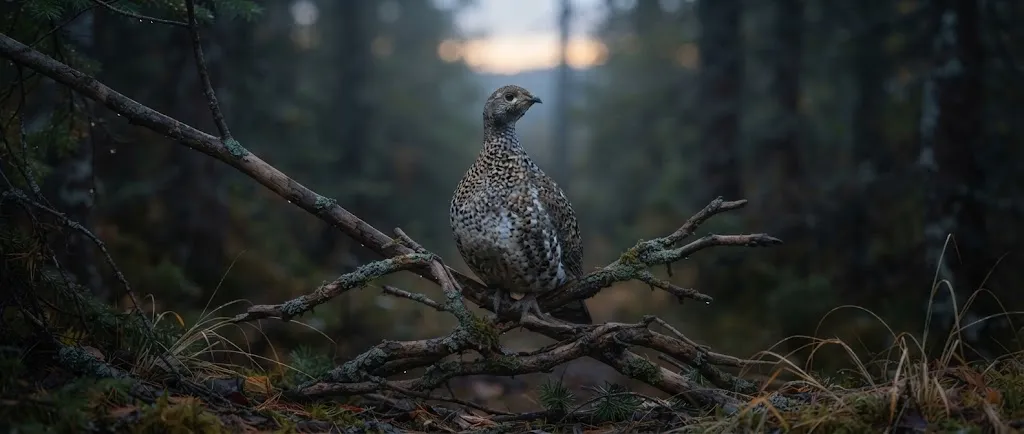
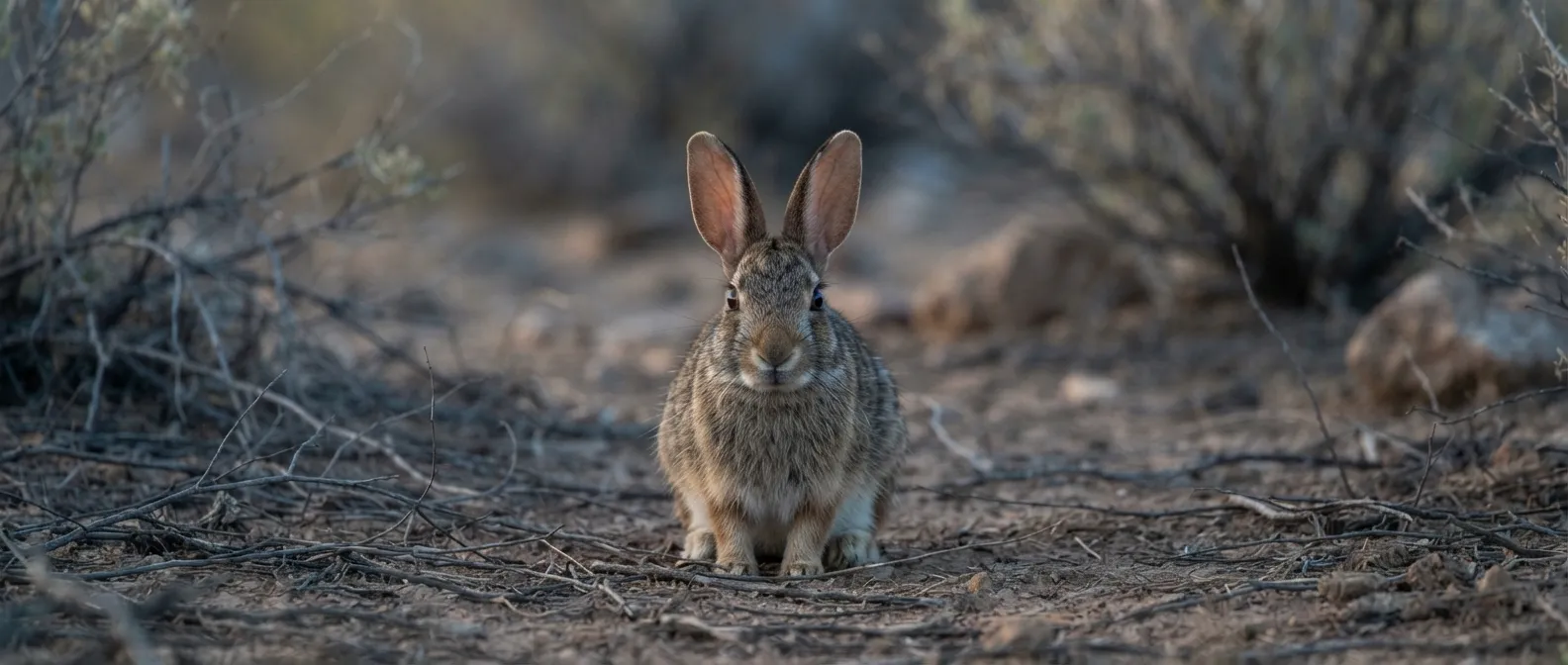
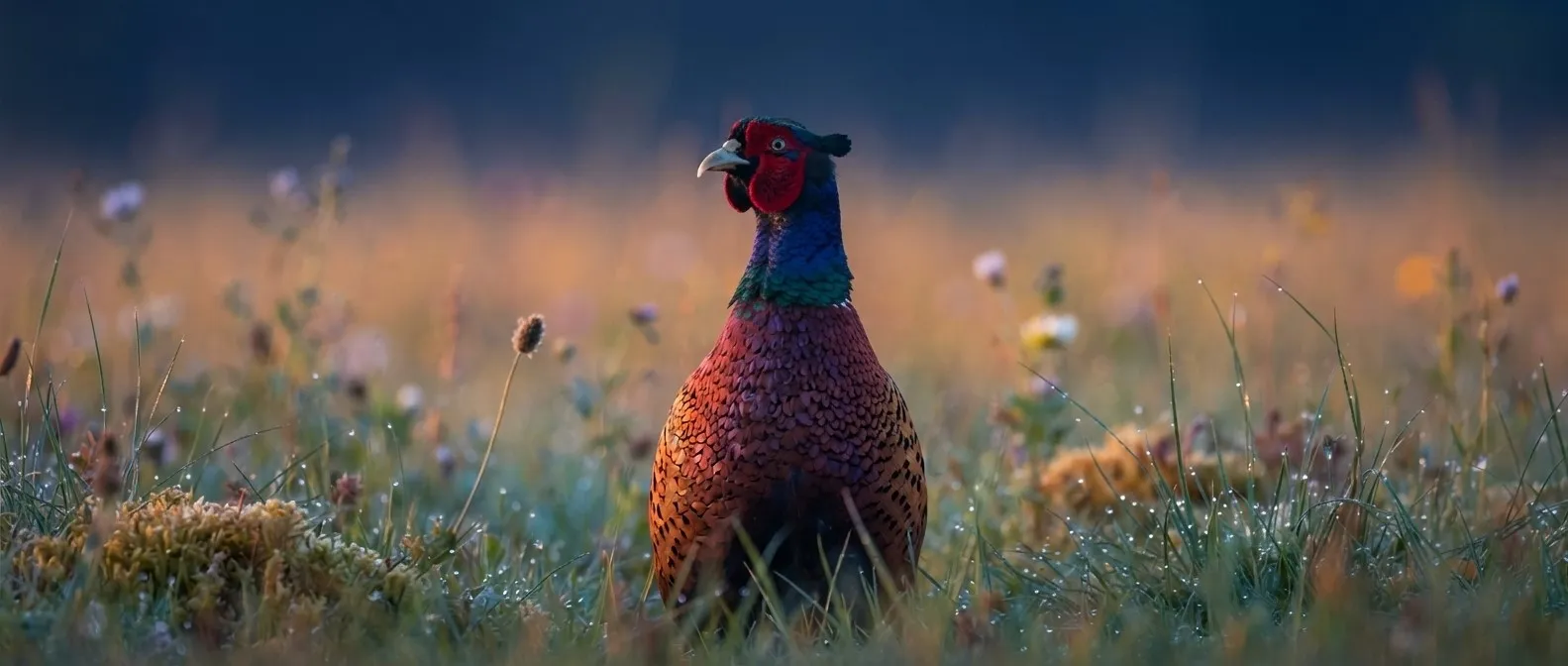
Small game hunting includes species that are legally classified as small game or game birds, rather than animals defined by a particular size or weight. Common examples include upland game birds such as pheasant and grouse, migratory game birds such as ducks and geese, as well as snowshoe hare and raccoon.
Legal hunting methods vary by species and may include shotguns, rifles, air rifles, or archery equipment where permitted. Migratory game birds are subject to additional federal requirements, including rules for shotgun use and non-toxic shot. Hunters should always confirm the legal method and ammunition requirements for the species they intend to pursue.
Small game may be harvested for food, hides, recreation, wildlife management, or other lawful purposes. Regardless of the reason for hunting, all activities must comply with the applicable British Columbia Hunting and Trapping Regulations, including open seasons, bag and possession limits, licence requirements, legal hunting methods, protected areas, access restrictions, and other applicable rules. Because regulations vary by species and location, hunters should review the current rules and any applicable Management Unit or special-area restrictions before heading into the.
.webp)
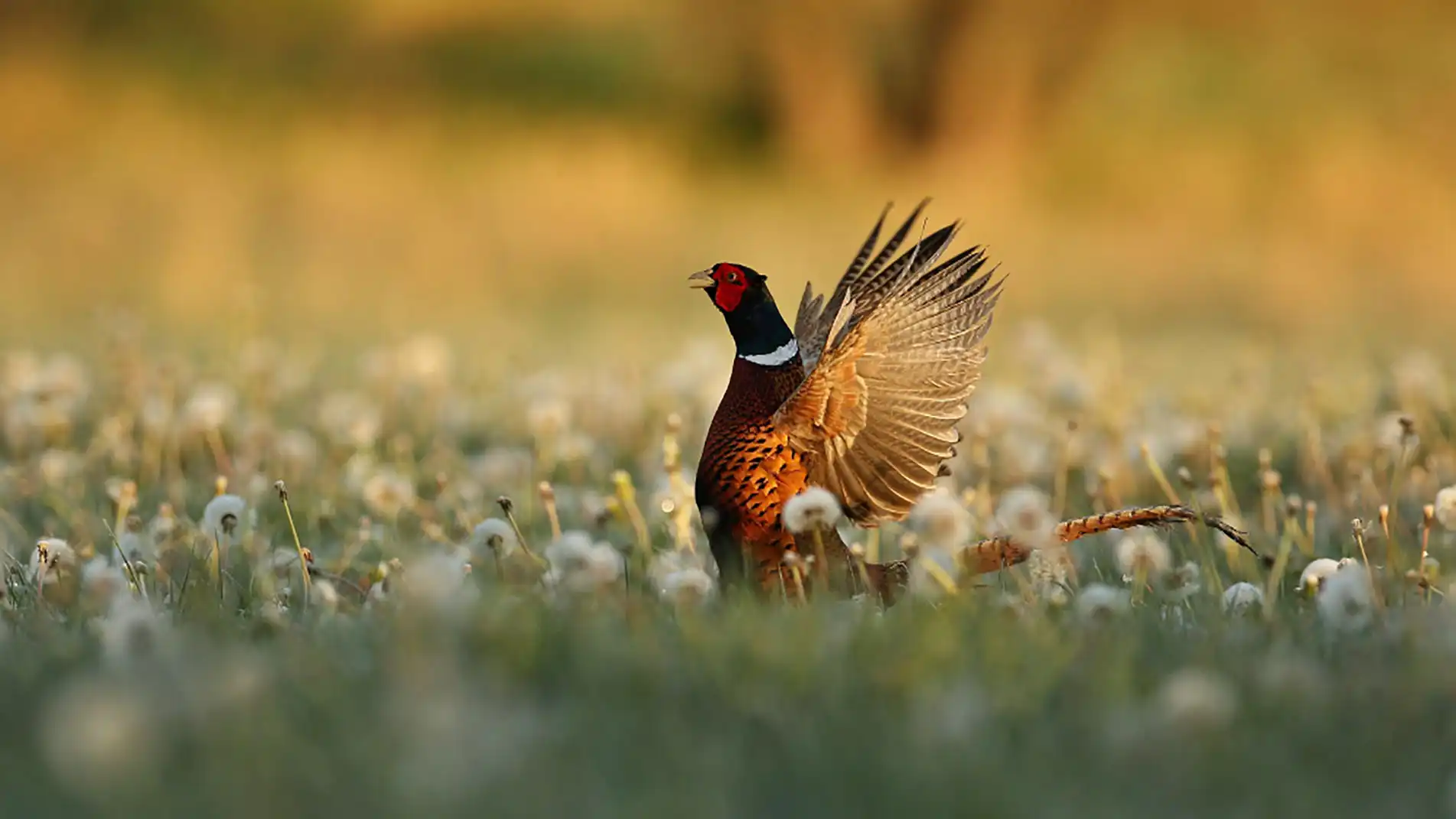
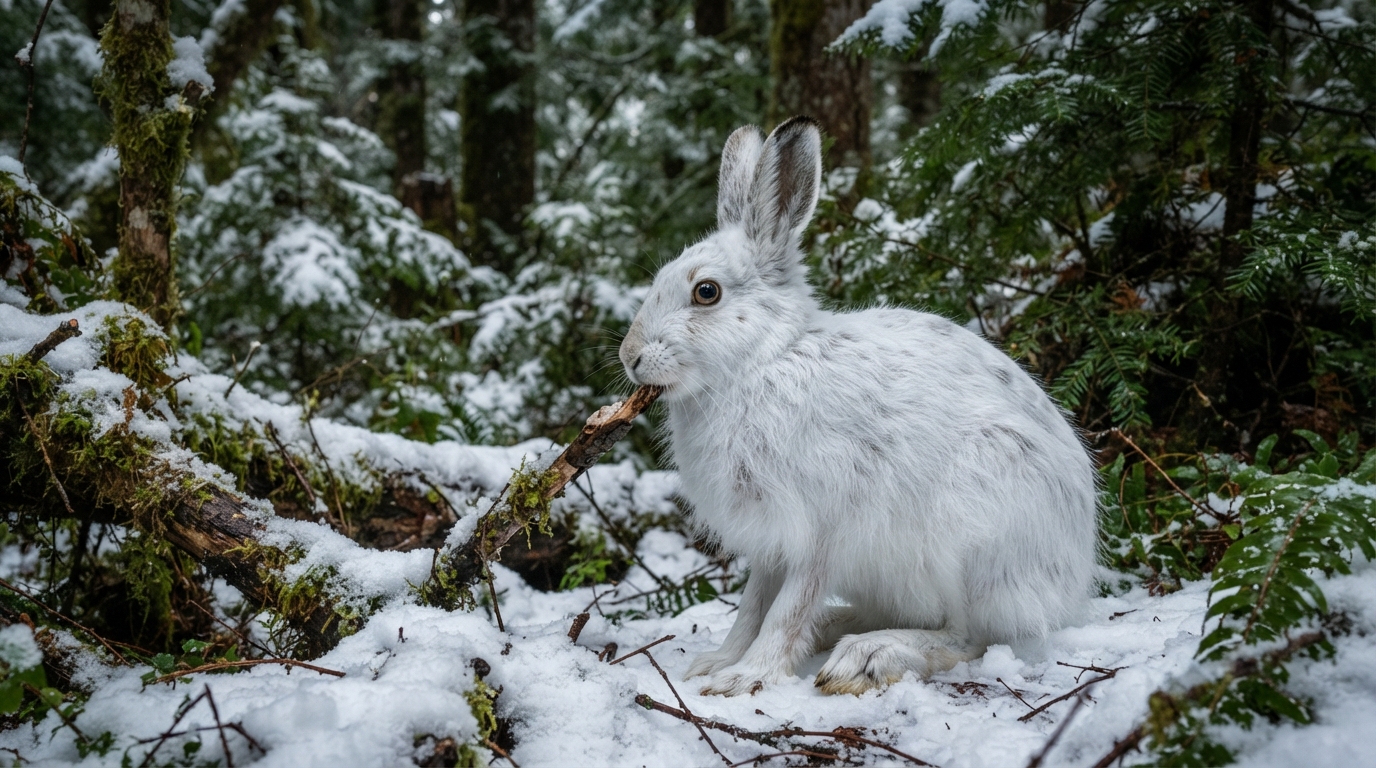
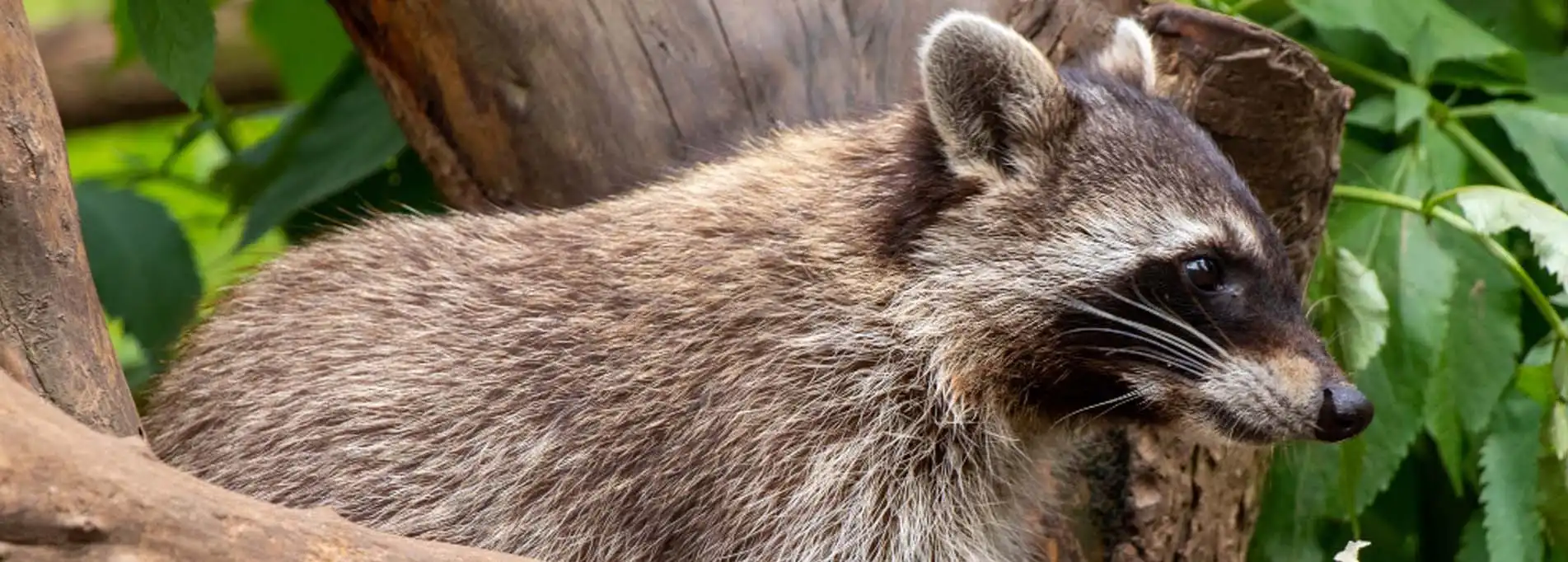
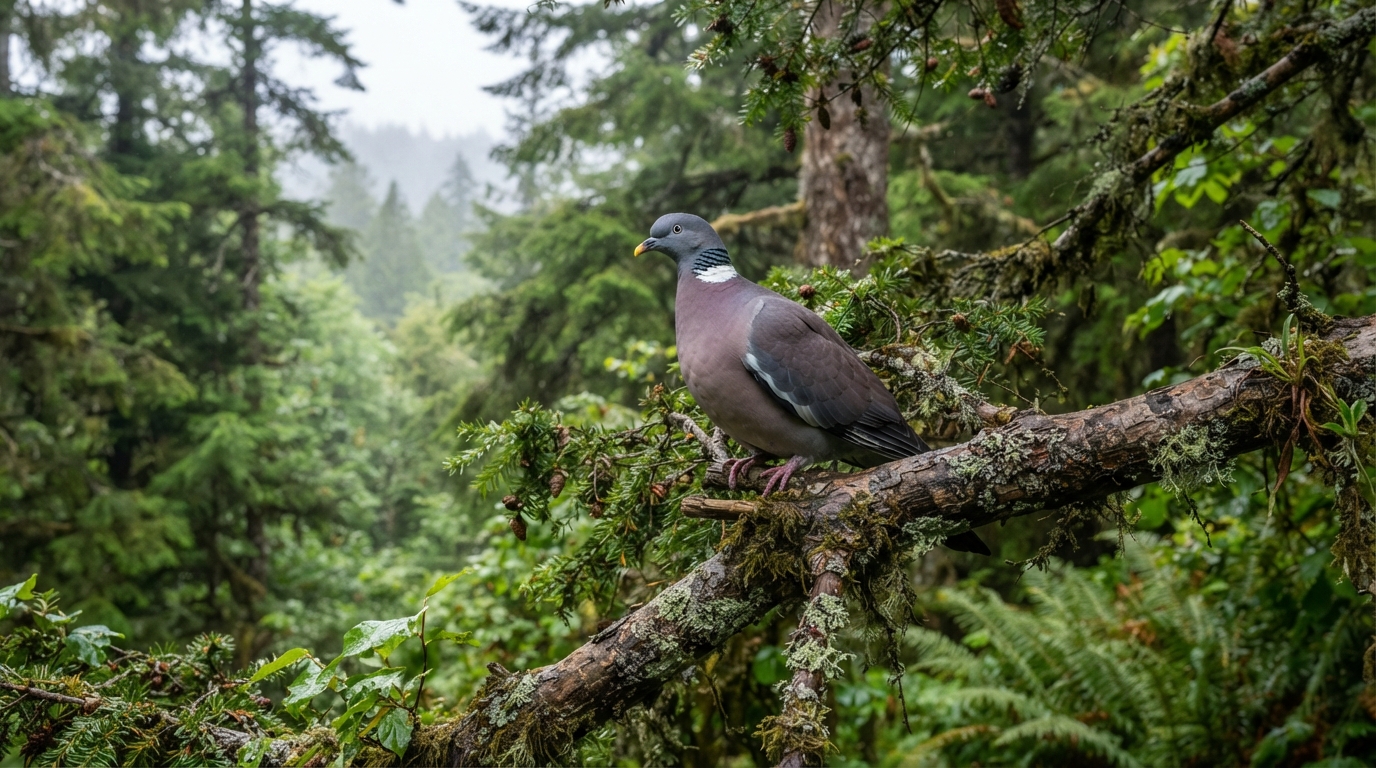
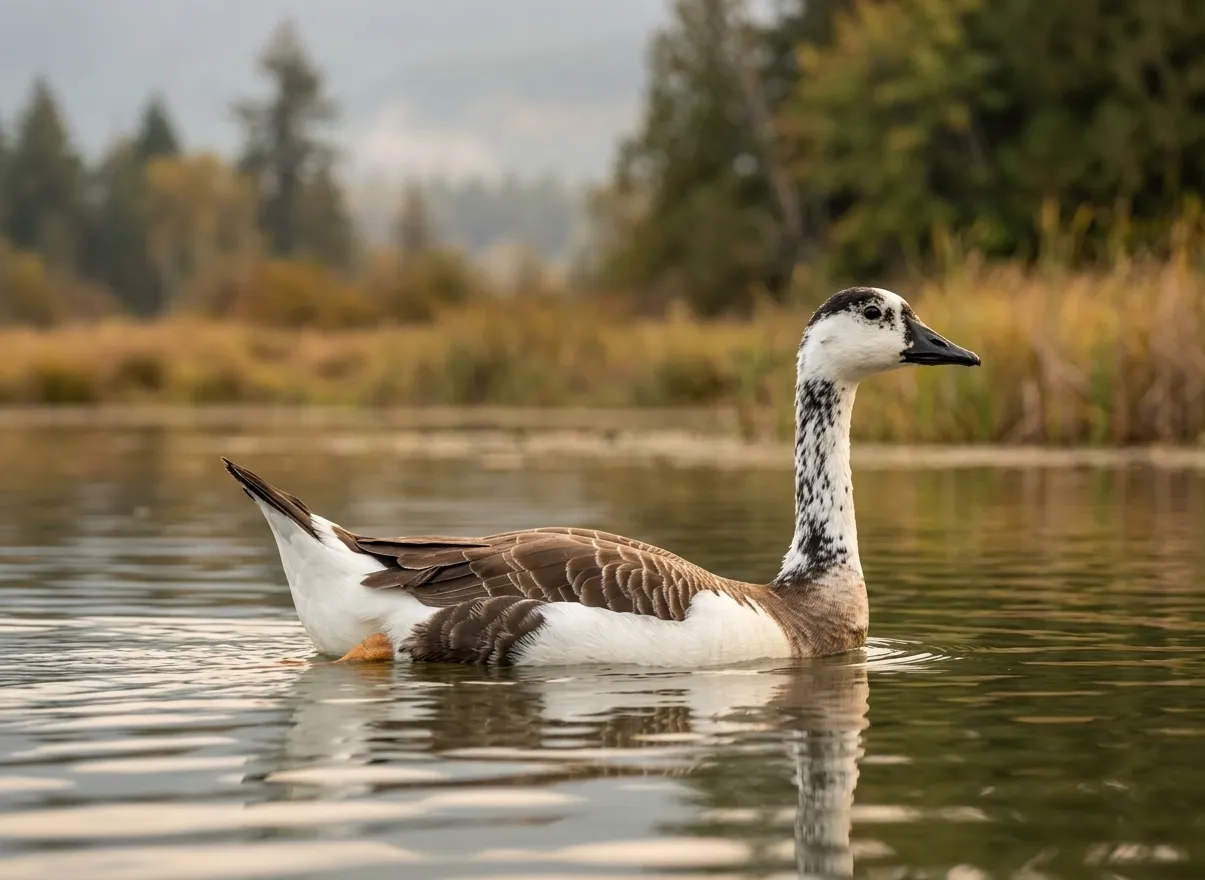
Hunters need to obtain permissions such as Federal Migratory Bird Hunting Permit and also licence. It would be best to take a few pieces of equipment to locate, hide, shoot, and recover birds. You may have challenges harvesting some game birds, but your patience ends in delicious wild game meats. Among them are snowshoe hares, as they are speedy and almost invisible in the snow.
Trained hunting dogs would be helpful in your hunting trip when you cannot easily spot your small game. It needs to be patient and take time to locate or track and finally have a successful harvest. According to the hunting and trapping synopsis, all hunters must obtain an FWID (BC Fish and Wildlife ID) to access hunting programs and services in BC.
Proof of hunter safety training is required to purchase most hunting licences, except where an exemption applies. Hunters who do not already have a B.C. Fish and Wildlife ID (FWID) must register for one through WILD or an authorized service location. After creating an FWID profile, hunters must establish their identity and residency status.
Proof of hunter safety training includes: A Conservation and Outdoor Recreation Education (CORE) certificate, a document issued by another territory or province of Canada, or a government of an international jurisdiction evidencing successful completion of a hunter safety training course.
PRISTINE WILDERNESS / ABUNDANT WILDLIFE / UNFORGETTABLE EXPERIENCES
Mild weather, active small game, and opening springtime woodland foraging opportunities.

Warm forest canopy, upland bird scouting, and mid-year small game harvesting windows.

Prime autumn migration, golden marshlands, and peak upland game bird and small game foraging.

Crisp snow tracking conditions, upland forest thickets, and hardy winter small game pursuit.
According to the British Columbia Hunting and Trapping Regulations Synopsis, non-resident and non-resident alien hunters may hunt small game unaccompanied if they hold an unrestricted hunting licence. Hunters holding a restricted non-resident or non-resident alien licence must be accompanied by a guide outfitter, assistant guide outfitter, or a holder of a valid Permit to Accompany.
Whether you are pursuing small game or big game, working with an experienced outfitter can make your hunting tour more organized and enjoyable. Outfitters understand local terrain, seasonal wildlife movement, suitable weather conditions, feeding areas, and habitat, helping hunters focus their time on productive locations.
Depending on the hunting package, outfitters may also assist with scouting, transportation, equipment, and field logistics. Their local knowledge can help hunters locate suitable hunting areas, understand applicable regulations, and prepare properly for changing field conditions. For hunters unfamiliar with the area or without all the necessary equipment, a knowledgeable outfitter can provide valuable support and help make the overall hunting experience safer, more efficient, and more rewarding.
Imagine that your species is in front of you. It is time to apply all the knowledge and skills you have to harvest it. Do you use decoys? Do you need a dog to recover your hunt? How do you kill it? You have been prepared for this moment, and your shot will end your hunting trip. How would you do that?
Legal rifle use depends on the species. Raccoon and snowshoe hare may be hunted with legal rimfire or centrefire rifles. Grouse may also be hunted with rimfire or centrefire rifles where otherwise permitted. Rifle use is more restricted for other upland game birds, and migratory game birds may not be hunted with rifles.
Shotguns are commonly used for hunting upland and migratory game birds, but ammunition requirements vary by species. When hunting migratory game birds such as ducks and geese, the shotgun must not be larger than 10 gauge or loaded with a single projectile, and hunters must comply with applicable federal non-toxic-shot requirements.
Falconers on Vancouver Island, holding a valid permit and the necessary hunting licence(s), may hunt small game with the use or aid of raptors during each species' open seasons or bow-only seasons. Grouse, pheasants, and snowshoe hares are among the small game animals you can hunt with falconry.
Bowhunting for birds that fly long-distance is challenging, and you may not consider it your small game hunting method. But as bows make no sounds when shooting, you may still have multiple chances after your first hunt. For some species, this traditional method has a separate open season or even no bag limit.
Decoys are manufactured products that simulate the appearance of your game. The famous small game you can use this method for hunting are waterfowls like ducks and geese. Decoys cause them to come in and land where you want. In BC, it is unlawful to use live birds as decoys.
Calls are commonly used when hunting species such as ducks and geese. Hunters may use legal non-electronic calling methods, but recorded or electronic bird calls may not be used to hunt game birds.
Dogs may be used to hunt small game, and unleashed dogs may be used where otherwise legally permitted. Hunting dogs may also be trained, under supervision, by allowing them to pursue game birds from August 1 to April 30.
Raccoon trapping is regulated separately from raccoon hunting. Anyone trapping raccoons must hold the appropriate trapping licence. Snowshoe hare is a special case: a person may snare snowshoe hare during its open season if they hold a hunting licence and have completed the Trapper Education Program. The snare must be non-braided and no heavier than 20 gauge.
Some ways of hunting from a blind like blinds treestand or ground blind can be available on request for small game such as duck and goose and grouse. We offer ground blinds for some who cannot hunt from a tree stand. Guides try to keep very close contact with you while you are on a stand.
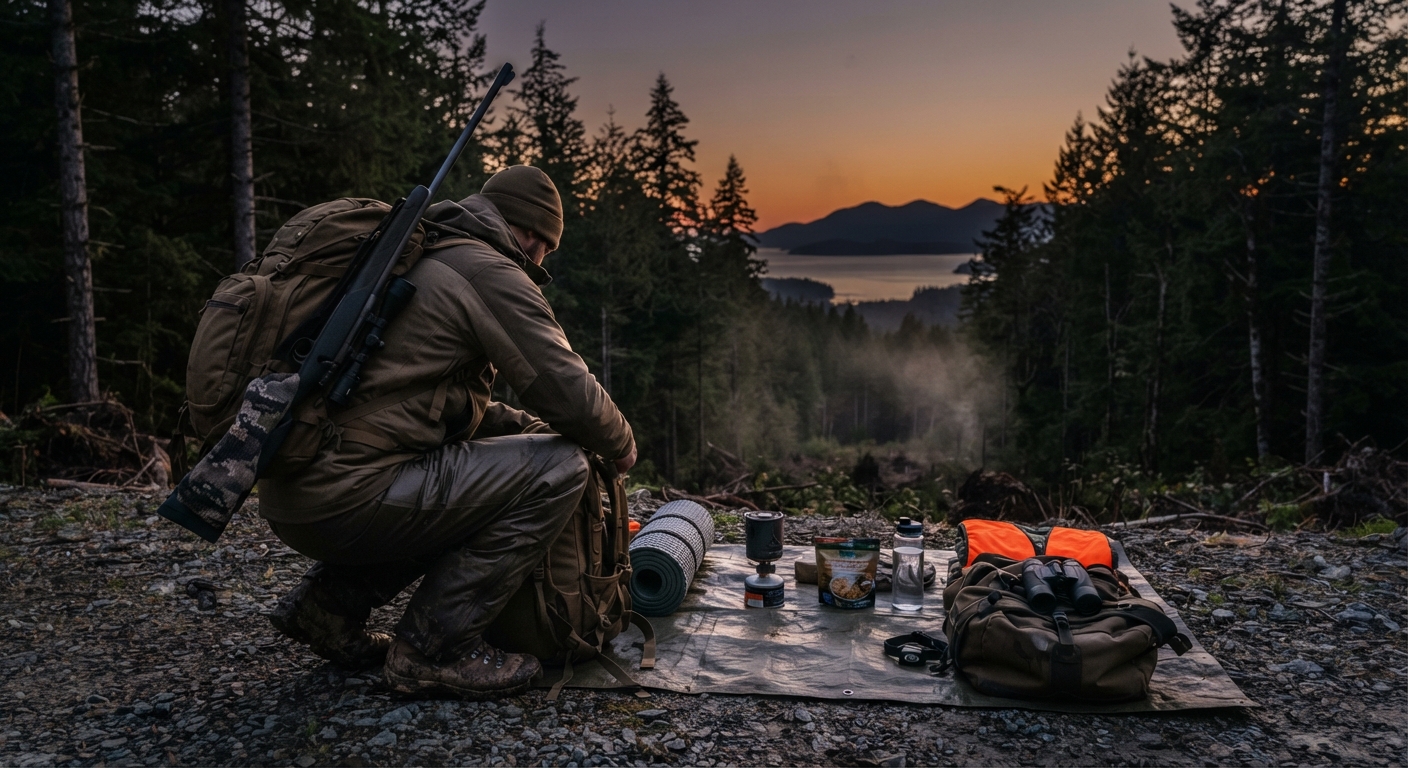
Essential Field Gear • Vancouver Island Rainforest Terrain
Before heading out for hunting on Vancouver Island, it is necessary to prepare a checklist of what you need.
First of all, having a backpack is required for your equipment. Your clothes may include hiking boots, waterproof pants and jacket, socks, hunting pants, short-sleeve shirt, long-sleeve shirt, gloves, hat, and layer clothing. As you may spend hours or days in nature, don't forget about camping items and food or snacks.
Your hunting equipment may include a legal rifle, shotgun, or archery equipment depending on the species, along with appropriate legal ammunition or shot. Migratory bird hunters must comply with applicable non-toxic-shot requirements. Binoculars, duffle bags, and tracking tools can also be on your hunting list.
Your hunting trip may take one day or two. Your small game hunting package can include a licence, cleaning and packaging, and equipment. So, the price of your small game hunting tour may increase according to your expectations. Among the cheapest animals to hunt on Vancouver Island are snowshoe hare and pheasant.
For more information regarding the cost of your personalized small game hunting adventure on Vancouver Island, please get in touch with us.
A four-day, three-night adventure
A one-day hunting tour in Victoria
A two-day excursion in Port Hardy.
A five-day black bear hunting and camping experience in Port Alberni
Some hunters prefer to go after small game, and others may favour big game. Choosing between them mostly depends on your purpose, price, licence, skill, and the potential of the area you want to hunt.
Find answers to the most common questions regarding regulations, seasons, and best practices for small game hunting on Vancouver Island.
In B.C., small game is defined by species rather than body weight. It includes animals such as raccoon, coyote, skunk, snowshoe hare, and game birds.
Under B.C. regulations, small game includes fox, raccoon, coyote, skunk, snowshoe hare, and game birds. Hunting opportunities vary by species and area.
Small and big game hunting differs in hunting methods, equipment, licences, tags, prices, and trophies. Big game hunters are required to have more physical strength. There would be less difficult to take your small game out of the woods. Also, the practice of small game hunting teaches you valuable skills necessary for hunting big game.
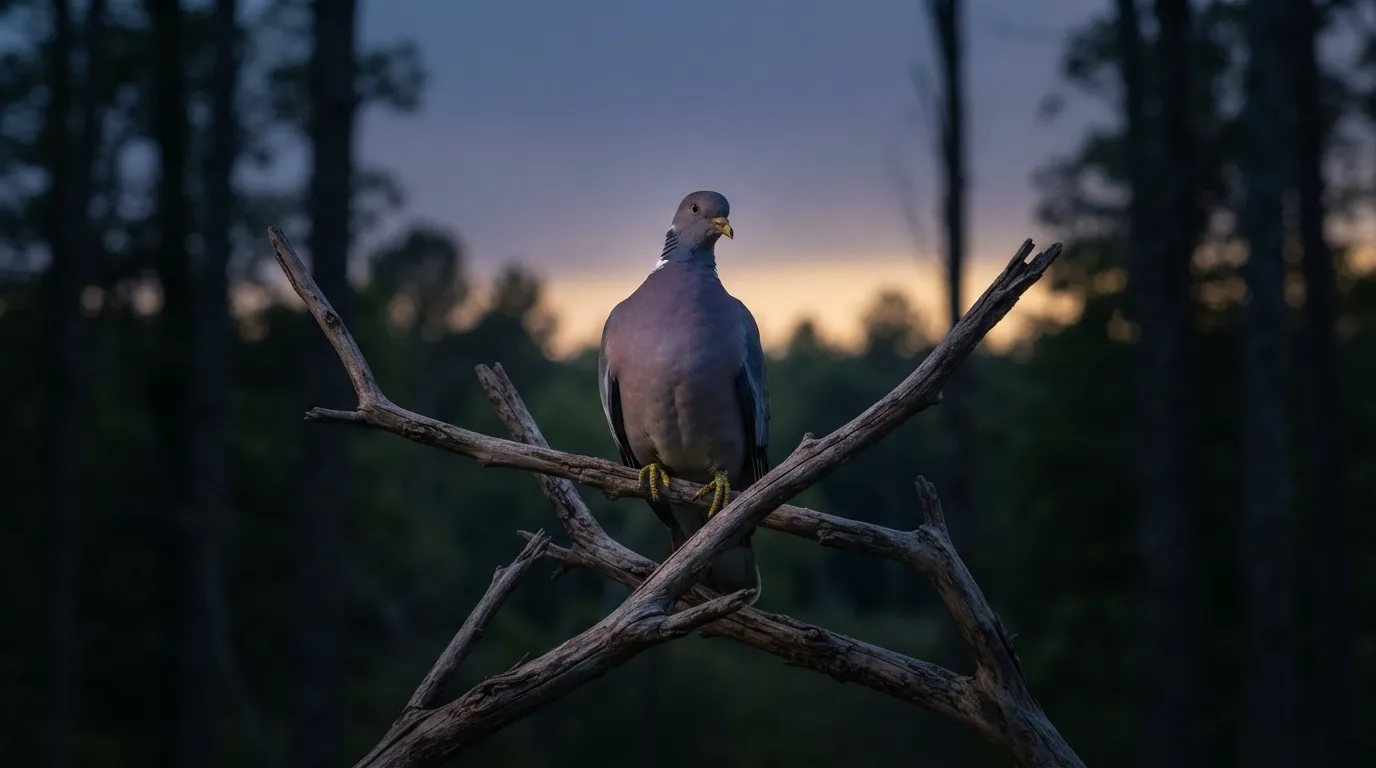
Small-game opportunities covered on Vanisle Hunters include grouse, pheasant, snowshoe hare, raccoon, and Band-tailed Pigeon, subject to their individual seasons, bag limits, and licence requirements.