

Experience world-class small game hunting on Vancouver Island with licensed professional outfitters and experienced local guides.
As already mentioned, the prominent reason hunters are enthusiasts for hunting snowshoe hares is the challenge they must take over to do so. But besides that, they can benefit from the flesh and the fur. Not to mention that they can desiccate the body and add it to their small game collection. Voila!
Meat: The snowshoe hare flesh is edible as long as it is well-cooked. After the harvest, hares are skinned and cooked without the inner organs and then used in barbeques and stews. It is low in fat and has many good nutrients.
Fur: Hares are skinned before being cooked. Their hair is used for clothes, blankets and socks. If you had the chance to go hare hunting in winter, their fur is pure white, and you can prepare lots of beautiful clothing.
Decoration: Trophies are how a hunter can remember the extraordinary story of each hunting experience. The desiccated corpse of the hare can be a proud narrative of your hunting experience.
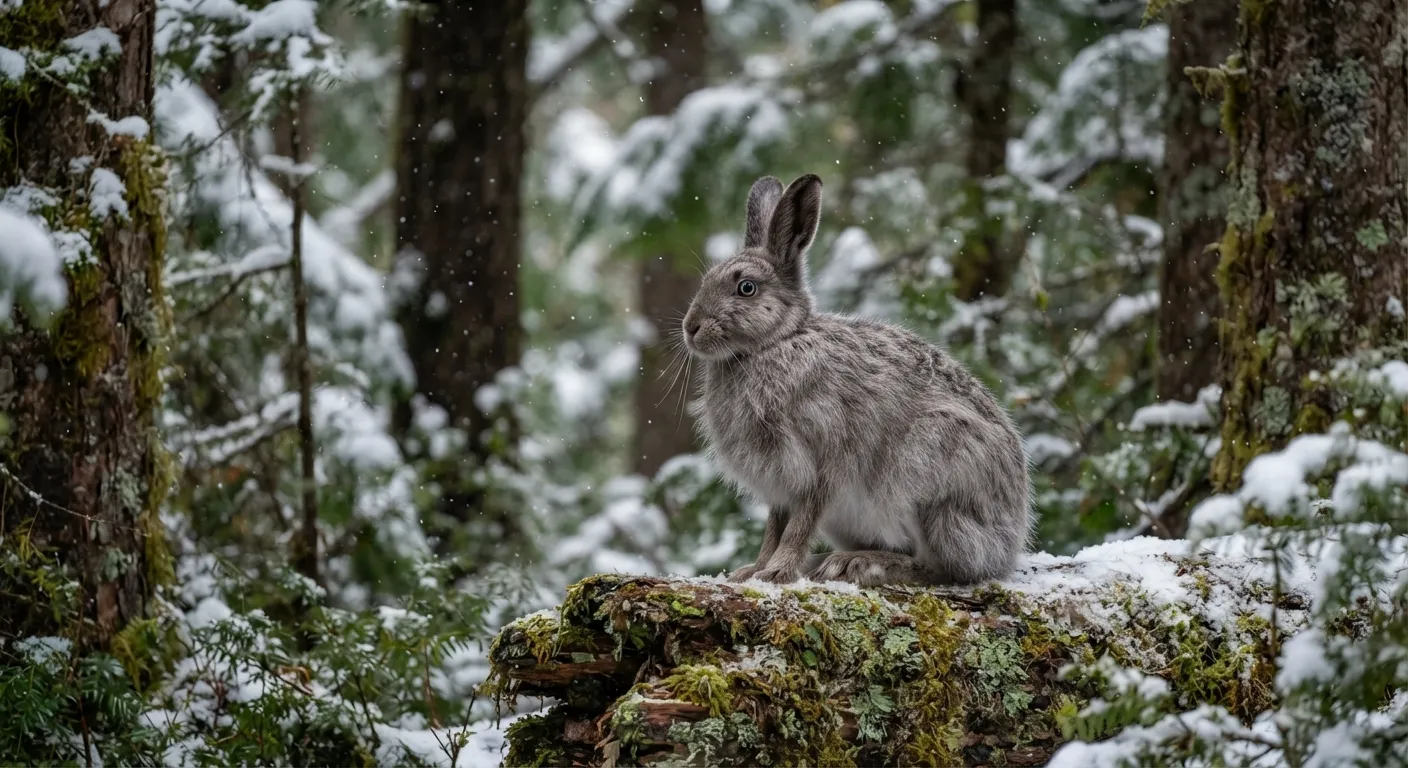
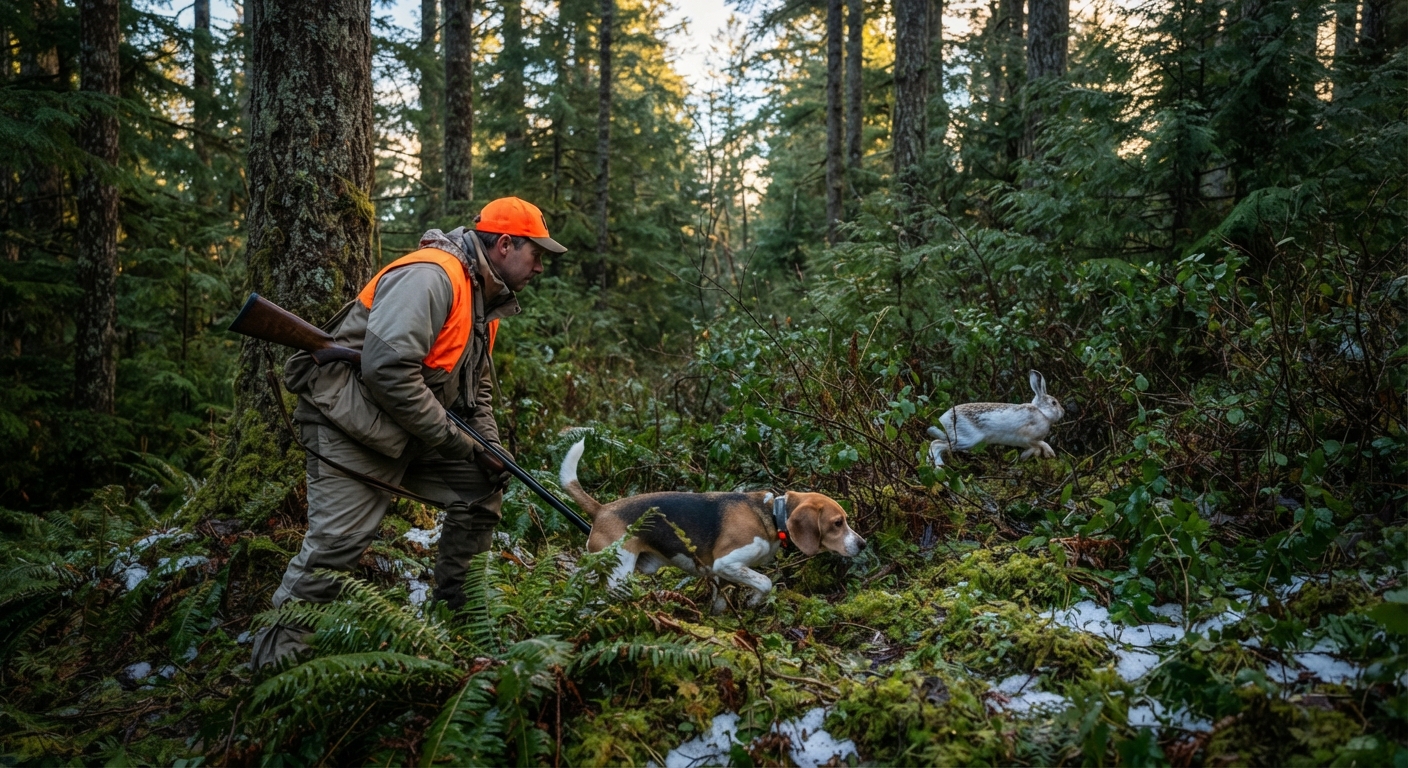
Snowshoe hares are most commonly associated with dense forest and brushy habitat, particularly in northern areas of Vancouver Island. Hunters may find them in coniferous and mixed forests, cedar and spruce stands, wet or swampy areas, young forests, and other locations that provide abundant food and thick protective cover.
Productive habitat can include: Young and regenerating forests, forest edges and cutlines, brush piles and areas with woody debris, dense stands of young conifers, alder thickets and wet forest margins, and well-used trails connecting feeding and resting areas. Fresh tracks, droppings, clipped vegetation, and well-travelled pathways can help hunters identify areas with recent hare activity.
The general open season for snowshoe hare applies only in MUs 1-14 and 1-15. Hunters must also check all applicable no-hunting, no-shooting, park, private-land, access, and motor-vehicle restrictions before entering the field.
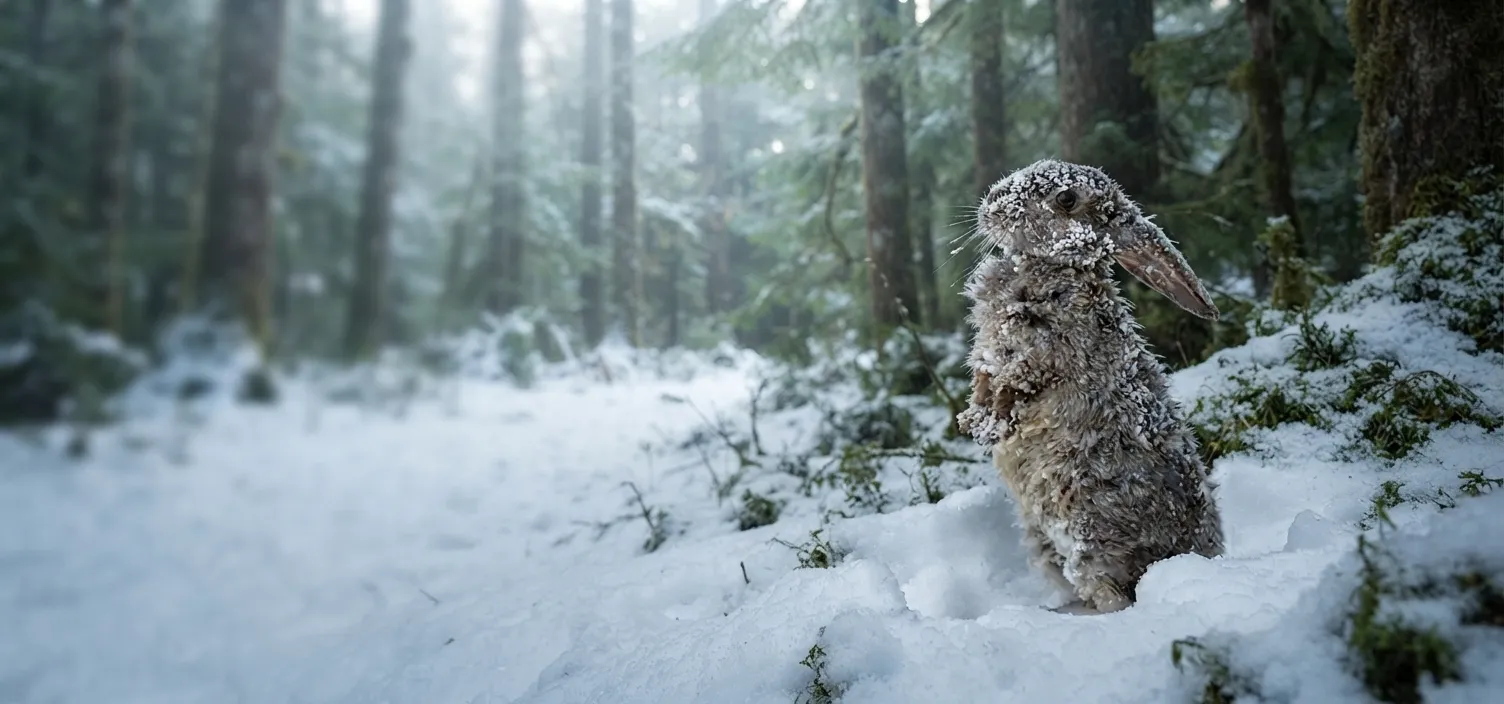
According to the current hunting and trapping synopsis, the general open season for snowshoe hare runs from August 1 to April 30 in MUs 1-14 and 1-15. The daily bag limit is 10 hares. Winter can provide favourable hunting and tracking conditions because fresh snow makes tracks, trails, and other signs of hare activity easier to identify. However, snowshoe hares also develop a predominantly white winter coat that provides excellent camouflage against snowy surroundings, making the animals themselves difficult to spot. Hunters should look carefully for movement, tracks, feeding signs, and the hare’s darker eyes and ear tips. Hunting is prohibited in national parks and ecological reserves.
Vancouver Island includes many protected areas where hunting is prohibited or restricted. Hunters should always confirm whether hunting is permitted in a specific park or protected area before entering the field. Always check the current regulations and applicable park boundaries before planning a hunt.

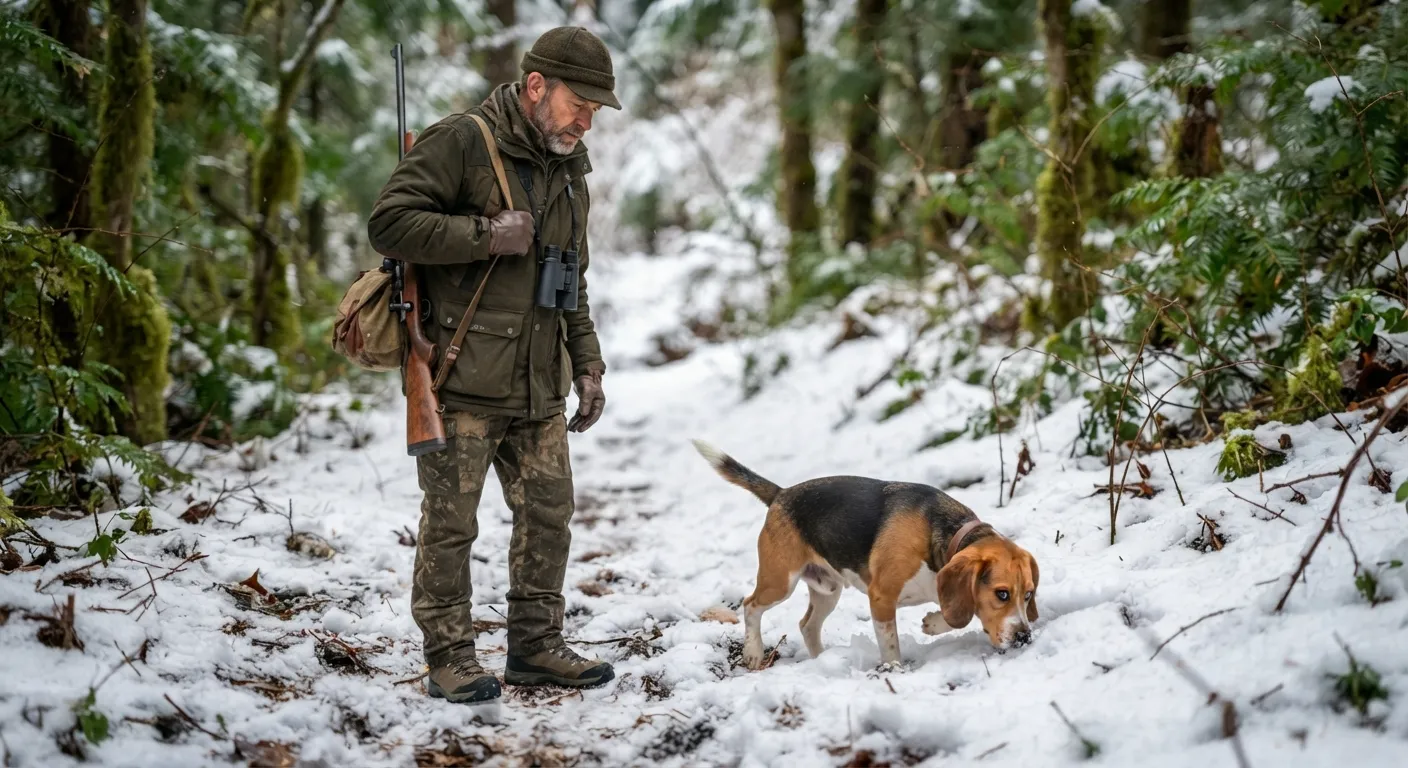
You know that the best time for hunting the snowshoe hare is during the cold season. Why is that? Well, you can easily follow the hare's footprints on the snow and catch your prey. Try spotting them before they see you, which is a real challenge since the snowshoe hare is white and hidden in a carpet of snow. You have to look hard to spot black ear tips and the eyes.
Consider all the tips for experiencing successful snowshoe hare hunting.
Snowshoe hare may be hunted during the general open season from August 1 to April 30 in MUs 1-14 and 1-15.
The daily bag limit is 10 snowshoe hares.
A separate species licence is not required for snowshoe hare for either B.C. residents or non-B.C. residents. Hunters must still hold the applicable B.C. hunting licence.
A person may snare snowshoe hare during the open season if they hold a hunting licence and have completed the Trapper Education Program. The snare must be non-braided and no heavier than 20 gauge.
Hunters under 18 must be accompanied and under the close personal supervision of an adult who meets the prescribed qualifications to act as a supervising hunter.
Snowshoe hare is Schedule B wildlife. On private land, it may be captured or killed without a hunting licence or open season only for the purpose of protecting property.
Wireless cameras may not be used for the purpose of hunting, and recorded or electronic calls may not be used to hunt snowshoe hare.
Wildlife may not be shot from a motor vehicle or motor-powered boat, and motor vehicles may not be used to herd or harass wildlife.
The snowshoe hunting tours take about a day or two, and the price depends on the package's services, such as meals and the number of hunters. Regardless of that, our snowshoe hare hunting prices generally start at $125. It can increase based on the convenience service you expect us to provide you during your hunting trip.
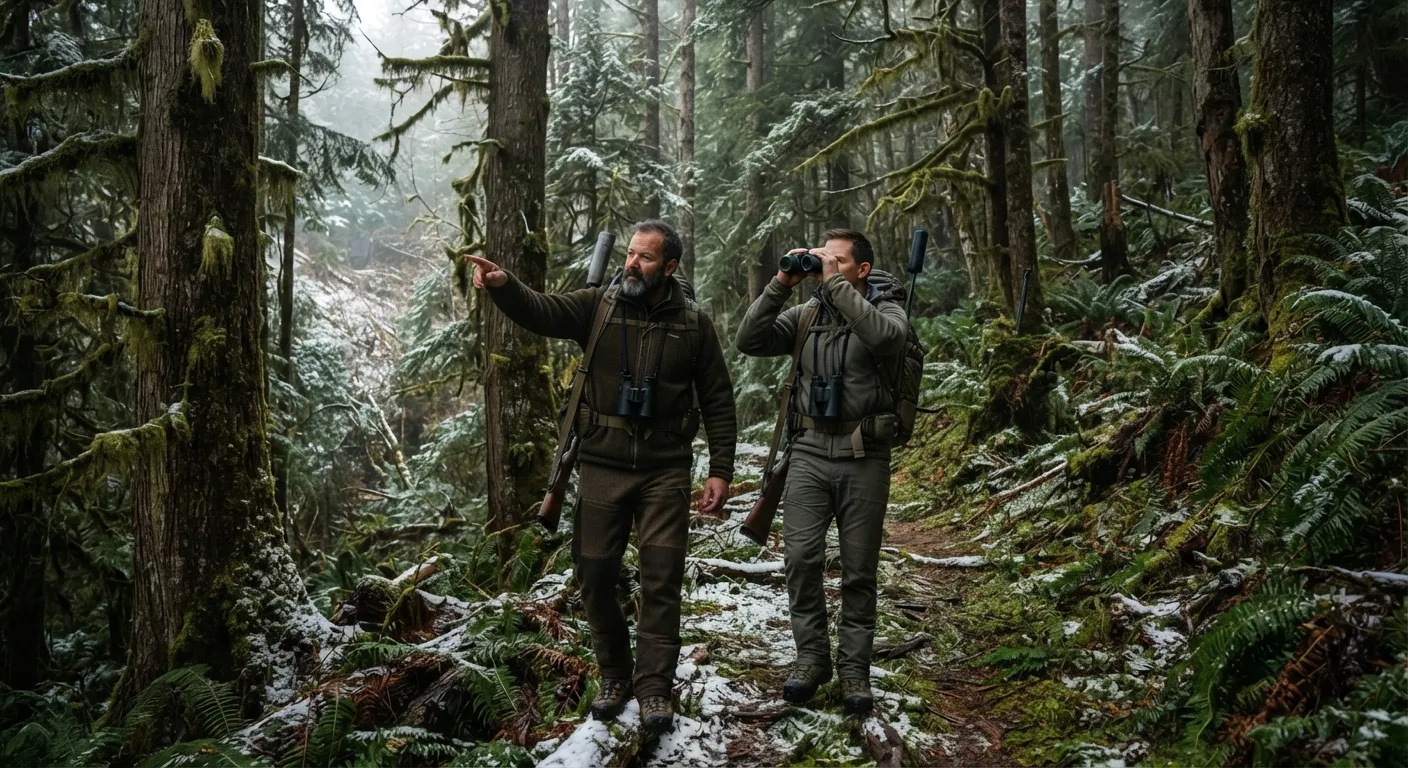
Working with an experienced guide outfitter can make a snowshoe hare hunting trip more organized, efficient, and enjoyable. Local guides can provide valuable knowledge of hare habitat, tracking conditions, access routes, weather, legal hunting areas, and suitable hunting methods.
Ensure your dates fall within the legal open season (August 1 to April 30).
Remember that the general snowshoe hare season is limited to MUs 1-14 and 1-15.
Confirm any additional requirements for your chosen hunting method.
Partner with guides who can provide local knowledge and field support.
Move slowly through the habitat and stalk slowly into your gun range.
In open areas, use binoculars to scope ahead and look for snowshoe hares.
Cooperate with other hunters to drive the animal out of cover. They prefer to stay in full cover.
Fresh snow is the best to track hares. They often follow the same paths and leave a well-worn trail.
Snowshoe hares' white coat provides excellent camouflage during winter. Look for darker eyes and ear tips.
Constantly change your body position to get a different view. If it feels threatened, the hare freezes or runs.
Several legal hunting methods may be used for snowshoe hare. Always confirm that the hunting method and firearm discharge are legal in the area where you intend to hunt.
Both rimfire and centrefire rifles may be used where permitted. Pump, repeating, and autoloading shotguns must comply with applicable magazine-plug requirements and local no-shooting restrictions.
Air rifles and qualifying archery equipment like compound or recurve bows may be used. Positively identify the target and confirm a safe shooting direction and backstop.
Snaring requires a Trapper Education Program completion. The snare must be non-braided and no heavier than 20 gauge, complying with all humane-treatment regulations.
Falconers may use raptors with a valid permit. Dogs may be used to locate and pursue hares where legally permitted, maintaining appropriate control at all times.
Explore other exciting small game and waterfowl hunting opportunities available on Vancouver Island.
Contact us to book your next unforgettable hunting adventure.
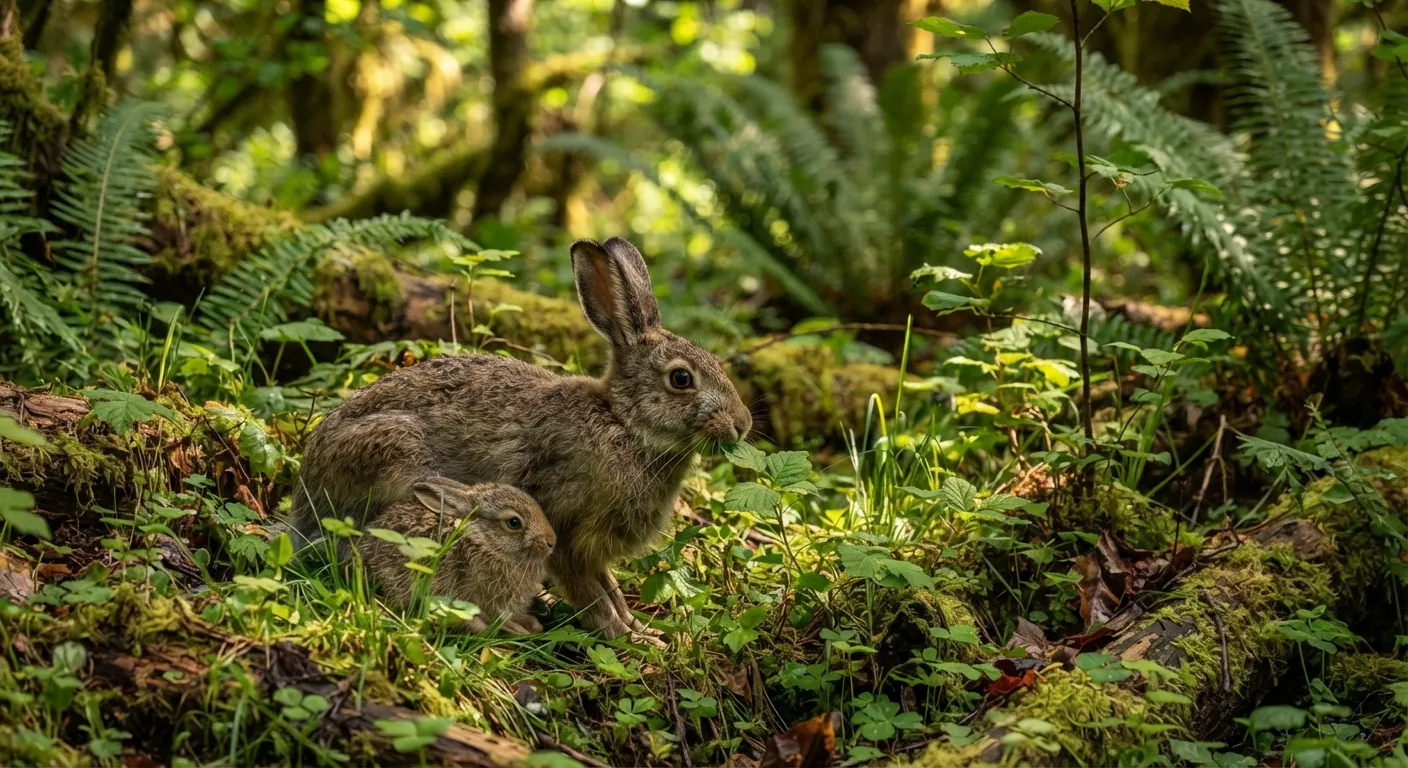
Snowshoe hares feed on a variety of vegetation and are well adapted to seasonal conditions on Vancouver Island.
During warmer months, their diet includes grasses, leaves, and other green plants found in lush forest undergrowth.
In colder months, they rely more heavily on twigs, buds, bark, and evergreen vegetation to survive.
They thrive in dense forest, brushy habitat, young forests, wet or swampy areas, and alder thickets.
Their fur changes from brownish-grey to pure white in winter, providing excellent camouflage against snowy surroundings.
Snowshoe hare flesh is edible and provides a small fresh meal you can enjoy right after a challenging hunt, as long as it is well-cooked to prevent bacteria like tularemia.
Preparation: After the harvest, hares are skinned and cooked without the inner organs to ensure safety.
Cooking: Popular methods include barbeques and stews. It is low in fat and has many good nutrients.
Fur Usage: Hares are skinned before being cooked. Their hair is used for clothes, blankets, and socks, especially the pure white winter fur.
Trophy: The desiccated corpse of the hare can be kept as a decoration to remember the extraordinary story of your hunting experience.
Hunters must comply with all applicable B.C. wildlife regulations after a successful harvest.
Make all reasonable efforts to locate, dispatch, retrieve, and include in their daily bag limit any snowshoe hare they kill, cripple, or wound.
Harvested wildlife must be possessed and transported in accordance with applicable B.C. wildlife regulations.
If a person injures wildlife listed in Schedule B, they must kill that wildlife. On private land, it may be killed to protect property.
Wireless cameras may not be used for hunting. Recorded or electronic calls may not be used. Do not shoot from a motor vehicle.
Stay informed with the latest updates and official regulations before heading into the field:
Find answers to the most common questions regarding regulations, costs, seasons, and field best practices for snowshoe hare hunting in British Columbia.
Snowshoe hares are safe to eat when they're cooked. Since rabbits can carry tularemia and bacteria and pass it on through internal organs, be sure to cook it well and remove inner organs before preparation.
Yes, snowshoe hares are often found in the densest cover during the day and forage in the open forest by night. They prefer valley bottom and flat habitats over high elevation steep habitats in northern BC and specific northern areas of Vancouver Island.
They eat the new growth of woody vegetation and herbaceous plants in summer. And during winter, they eat twigs, buds, and bark.
The legal open season runs from August 1 to April 30 in MUs 1-14 and 1-15. Winter can be especially useful for tracking because fresh snow may make hare tracks easier to identify, but hunters can pursue snowshoe hare throughout the open season.
Hare activity can vary with weather, habitat, season, and hunting pressure. Early morning and late afternoon can provide good opportunities, but hunters must remain within legal hunting hours: snowshoe hare may not be hunted from one hour after sunset to one hour before sunrise.