


Experience world-class cougar hunting on Vancouver Island with licensed professional outfitters and experienced local guides.
Cougars’ nocturnal habits and stealthy behavior make them one of the most challenging big-game trophies to hunt. Beyond the thrill of the hunt, managing cougar populations is essential for maintaining a balanced ecosystem. High cougar populations can lead to increased predation on deer, elk, sheep, and smaller animals. On Vancouver Island, regulated hunting allows each hunter to harvest two cougars per licence year with the appropriate tags, ensuring both ecological sustainability and an exciting hunting experience.
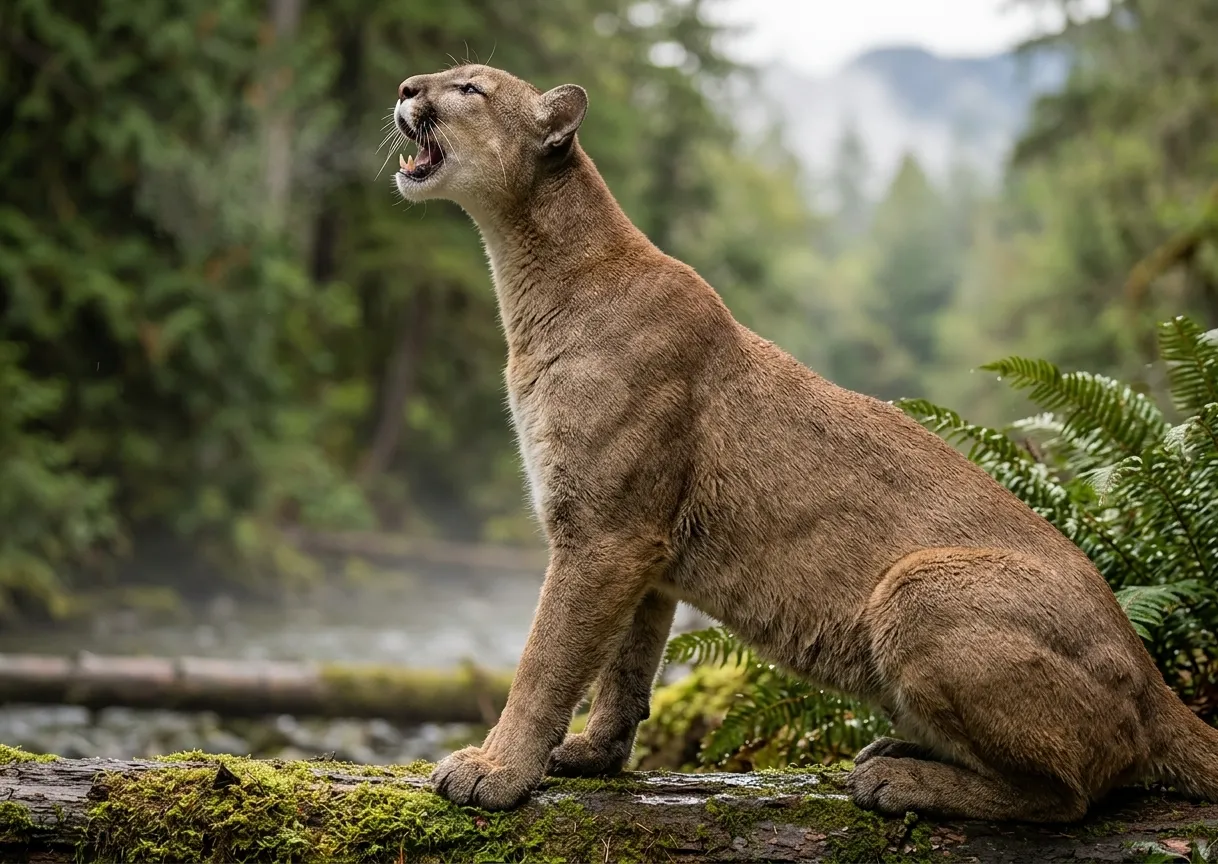
Cougars are most commonly found in the northeastern parts of Vancouver Island, following their primary prey, black-tailed deer, to lower elevations during winter. Their habitats include mountainous and forested regions, where they also prey on mule deer, white-tailed deer, elk, moose calves, and smaller animals. Cougars find shelter in caves, rocky areas, dense undergrowth, and bushes.
Hunters often spot cougars in areas such as Sayward, Ucluelet, Campbell River, Courtenay, and Duncan. The designated management units (MUs) for cougar hunting on Vancouver Island are 1-1 to 1-15. It’s important to familiarize yourself with local regulations and be aware of restricted or no-hunting areas.
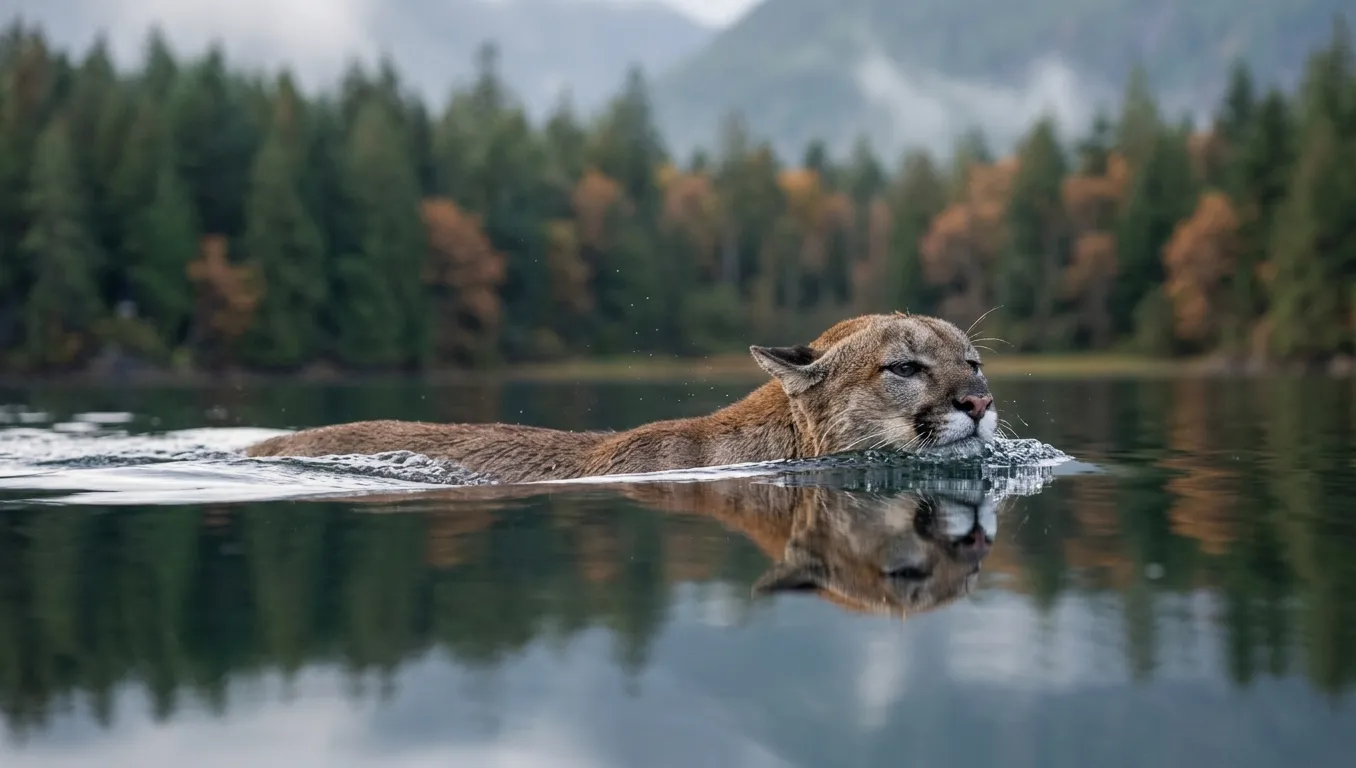
When resources are scarce, they may even swim to smaller islands in search of prey. Always check the current regulations and applicable maps before choosing a hunting area.
The best time for cougar hunting on Vancouver Island is during the winter months, particularly in January and February, when fresh snow makes tracking easier. These conditions significantly increase hunters’ success rates by providing clear signs of cougar activity. The general open season for cougar hunting runs from September 10 to March 31 and April 1 to June 15. Cougars are most active during the evening and early morning hours. Most cougar births occur in February and March, so hunters should plan their trips accordingly to avoid areas with young cubs. Hunting is prohibited in national parks and ecological reserves.
Vancouver Island includes many protected areas where hunting is prohibited or restricted. Hunters should always confirm whether hunting is permitted in a specific park or protected area before entering the field. Always check the current regulations and applicable park boundaries before planning a hunt.

Tracking cougars becomes significantly easier in snow and cool temperatures, as fresh tracks are more visible. Rain or wet conditions, however, can make it difficult for dogs to stay on a cougar’s scent.
Proper tracking and positioning are key to a successful and safe cougar hunt.
Hunting is permitted only during the open season. Each hunter is limited to harvesting two cougars per licence year.
Hunting cougar kittens (under one year or with spots) or any cougar accompanying them is prohibited.
Hunters under 18 must be accompanied and under the close personal supervision of a qualified adult.
Cougar species licences are not valid until two days after the date of issue.
Recorded or electronic calls are allowed for hunting cougars. Wireless cameras may not be used for the purpose of hunting.
Unleashed dogs may be used to track cougars.
All harvested cougars must be submitted for compulsory inspection within 30 days of the kill. The skull and evidence of sex must be attached.
Hunting is prohibited from one hour after sunset to one hour before sunrise. Meat salvage and transportation rules apply.
The cost of cougar hunting on Vancouver Island starts at approximately $8,500, depending on factors such as duration, hunting methods, licenses, tags, and guide services. The bag limit is two cougars per licence year. Hunting trips can often be combined with opportunities to pursue other big game or small game species, creating a comprehensive outdoor adventure.

Non-resident and non-resident alien hunters in BC are required to be accompanied by a licensed guide outfitter, assistant guide, or someone with a permit to accompany. Experienced outfitters provide the expertise needed to navigate Vancouver Island’s terrain and ensure a successful hunt.
A .300 to .375 caliber rifle is recommended, using heavy bullets for precise and effective shots at ranges from 30 to 350 yards.
Identify key signs like scratches, tracks, and scat. Silent stalking is essential to approach them undetected.
A versatile option. The firearm must be 20 gauge or larger, using shells with No. 1 Buck or larger.
A strategic method to attract cougars by mimicking prey sounds. Avoid excessive movement while calling.
While cougars rarely target humans, they may attack pets or livestock if given the chance. Keep pets secured during hunts.
Motion alarms are effective for deterring cougars from campsites.
If a cougar approaches, maintain eye contact, stand tall, and make yourself appear larger by waving your arms.
Never run away, as this may trigger the cougar’s predatory instincts.
Avoid crouching or bending over. Instead, throw stones or branches if necessary to defend yourself.
Carry deterrents and know how to use them effectively; ensure you have a reliable means of communication in case of emergencies.
While hunting plays a role in managing cougar populations, it’s important to emphasize ethical practices that respect wildlife and ecosystems:

Regulated hunting helps maintain balanced predator-prey dynamics, particularly for deer populations.
Hunters should prioritize quick, clean kills and avoid unnecessary harm to the animal.
Avoid hunting females with cubs, and never shoot spotted kittens or cubs under one year old, as per regulations.
Fees from hunting licenses contribute to wildlife conservation projects, protecting habitats and other species.
Cougar hunting is especially popular during winter, when fresh snow can make tracking easier, but legal hunting opportunities extend through fall, winter, spring, and into June. Winter hunts require specific preparation for cold and snowy conditions.
Proper preparation ensures a rewarding and safe hunting experience.
Vancouver Island’s unique ecosystem supports the highest density of cougars in North America. Understanding their behavior is key to a successful hunt:
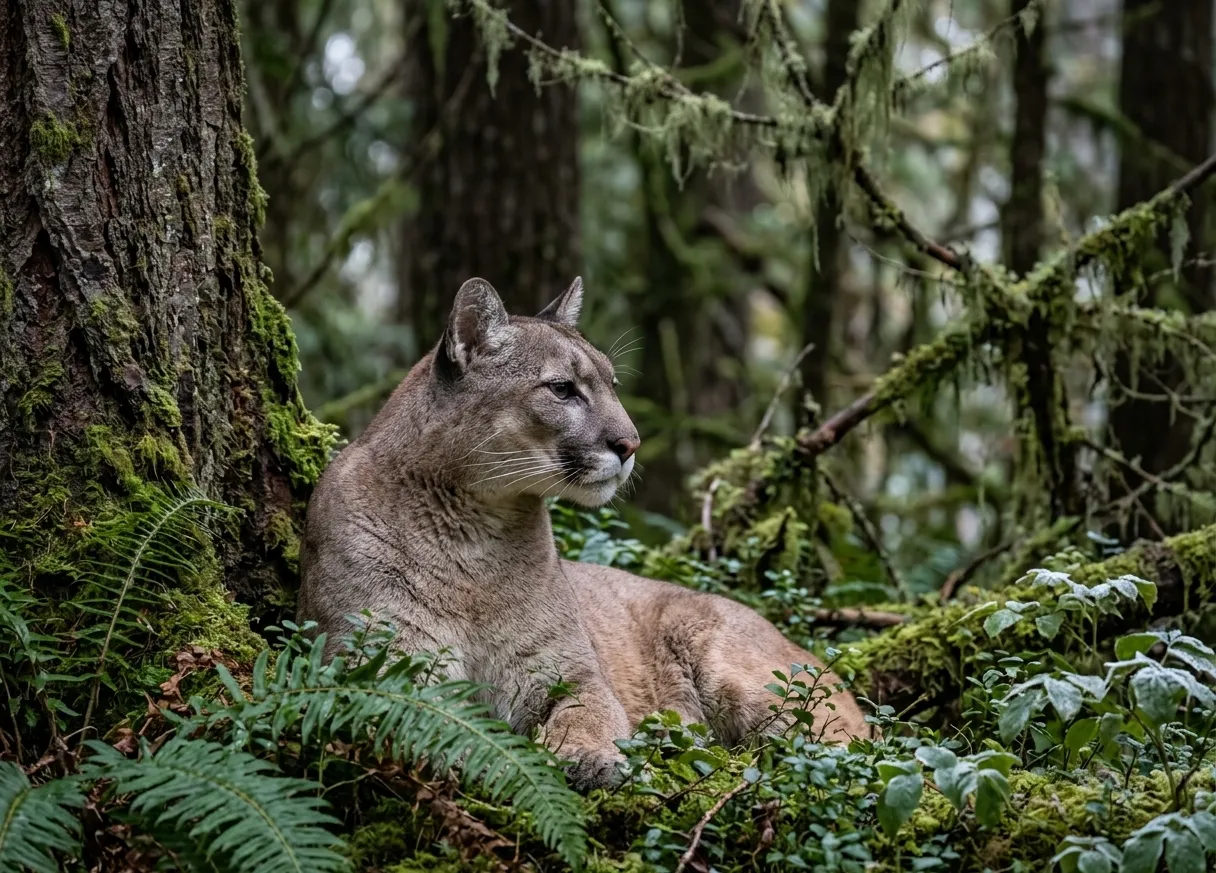
Cougars establish territories marked by scratches, scat, and scent markers. Males often dominate larger areas.
Black-tailed deer are their primary prey on Vancouver Island, but they also hunt elk calves, rabbits, and other small animals.
Cougars are most active during dawn and dusk, times when they hunt or patrol their territory.
As apex predators, cougars maintain the health of prey populations and prevent overgrazing.
Cougar meat is edible, and hunters are required to remove the edible portions of a legally harvested cougar. Here are essential guidelines for handling and salvage:
Edible Portions: Hunters are required to remove the meat from the neck, ribs, four quarters, and loins of a legally harvested cougar.
Preparation: Ensure the meat is handled and stored properly to prevent spoilage or contamination. Trim fat, as it can retain strong flavors.
Cooking: Popular methods include roasting, smoking, and making stews. Cougar meat is often compared to a hybrid of pork and beef.
Compliance: Hunters must comply with compulsory inspection, meat salvage, possession, transportation, and applicable export requirements after harvesting.
For those exploring Vancouver Island’s wilderness or joining guided trips, knowing how to coexist safely with cougars is essential. Follow these proven principles:
Non-hunters are welcome to join guided cougar hunting trips for an additional fee to experience the adventure and scenery.
Make noise while hiking to avoid surprising a cougar. Travel in groups whenever possible.
If a cougar approaches, stay calm. Do not run. Maintain eye contact, stand tall, and make yourself appear larger.
Carry bear/cougar deterrent spray and know how to use it effectively. Keep pets secured during hunts.
Stay informed with the latest updates and official regulations before heading into the field:
Find answers to the most common questions regarding regulations, costs, seasons, and field best practices for cougar hunting in British Columbia.
Yes, cougar hunting is legal in BC under strict regulations, including specific open seasons, bag limits (two per licence year), and mandatory meat salvage and inspection rules.
While cougars rarely target humans, they can be dangerous if surprised or if they feel threatened. Maintaining eye contact, standing tall, and never running are crucial safety measures.
Vancouver Island has the highest cougar density in North America, with an estimated population of 600 to 800 animals.
Yes, the cougar (also known as the mountain lion or puma) is the largest wild cat in British Columbia and is native to Vancouver Island.
The best time is during the winter months (January and February) when fresh snow makes tracking significantly easier, though the open season runs from September to June.
Yes, non-hunters are welcome to join guided cougar hunting trips for an additional fee to experience the adventure and scenery.
Yes, hunting trips can often be combined with opportunities to pursue other species, creating a comprehensive outdoor adventure.
The success rate for guided cougar hunts on Vancouver Island is typically high, often exceeding 80%. Experienced outfitters use trained hounds to track cougars, significantly increasing the likelihood of success. Weather conditions, such as fresh snow, also contribute to better tracking and higher success rates.
Can I use decoys for cougar hunting in BC?
Yes. But it is unlawful to use live birds as decoys.