


Experience world-class upland bird hunting on Vancouver Island with licensed professional outfitters and experienced local guides.
Grouse hunting on Vancouver Island offers several benefits: 1. Delicious Meat: Grouse meat is tender and flavorful, providing a satisfying reward for your efforts. The birds are similar in size to chickens, making them an excellent source of protein for winter meals. 2. Seasonal Scenery: Hunting grouse in the fall allows you to experience Vancouver Island’s breathtaking landscapes during its most colorful season. 3. Challenging Hunt: Grouse are unpredictable birds that keep hunters on their toes, making every hunt an exciting adventure.
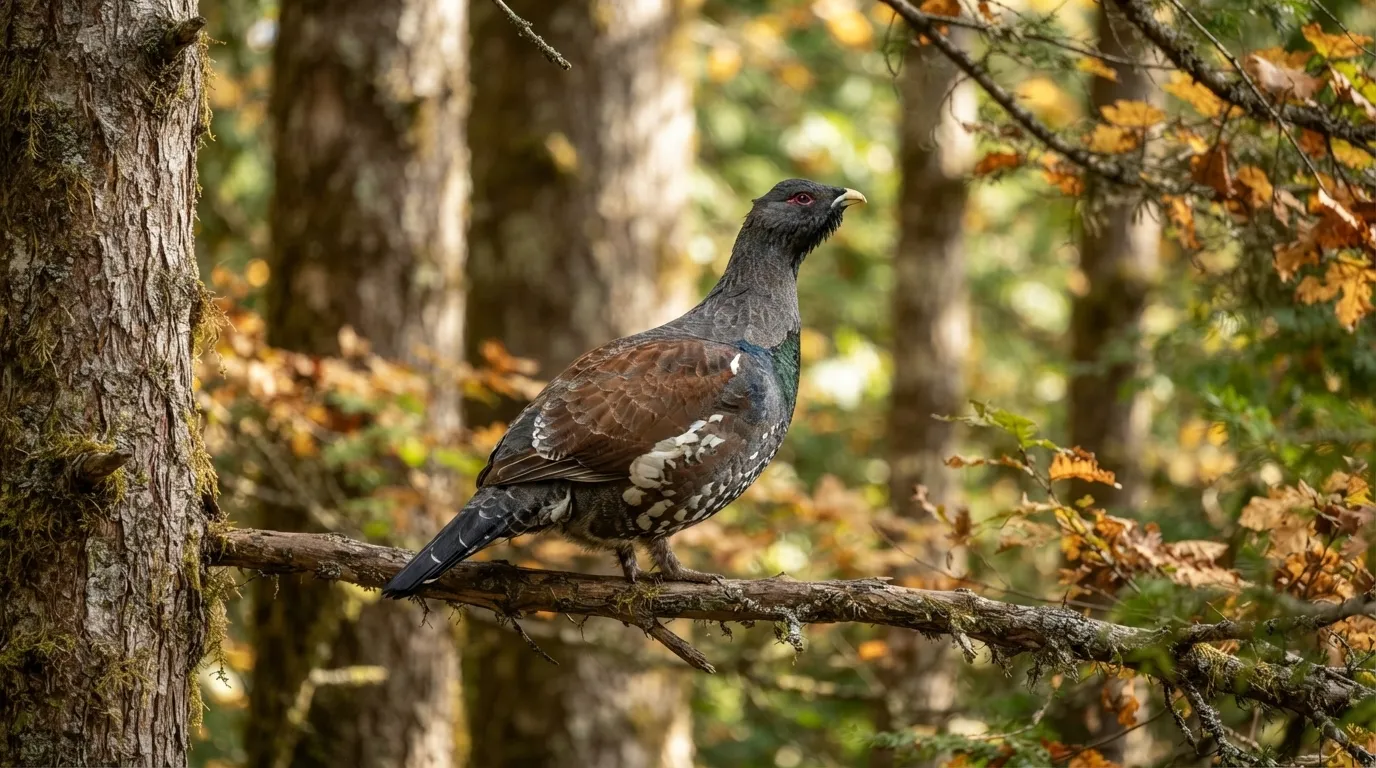
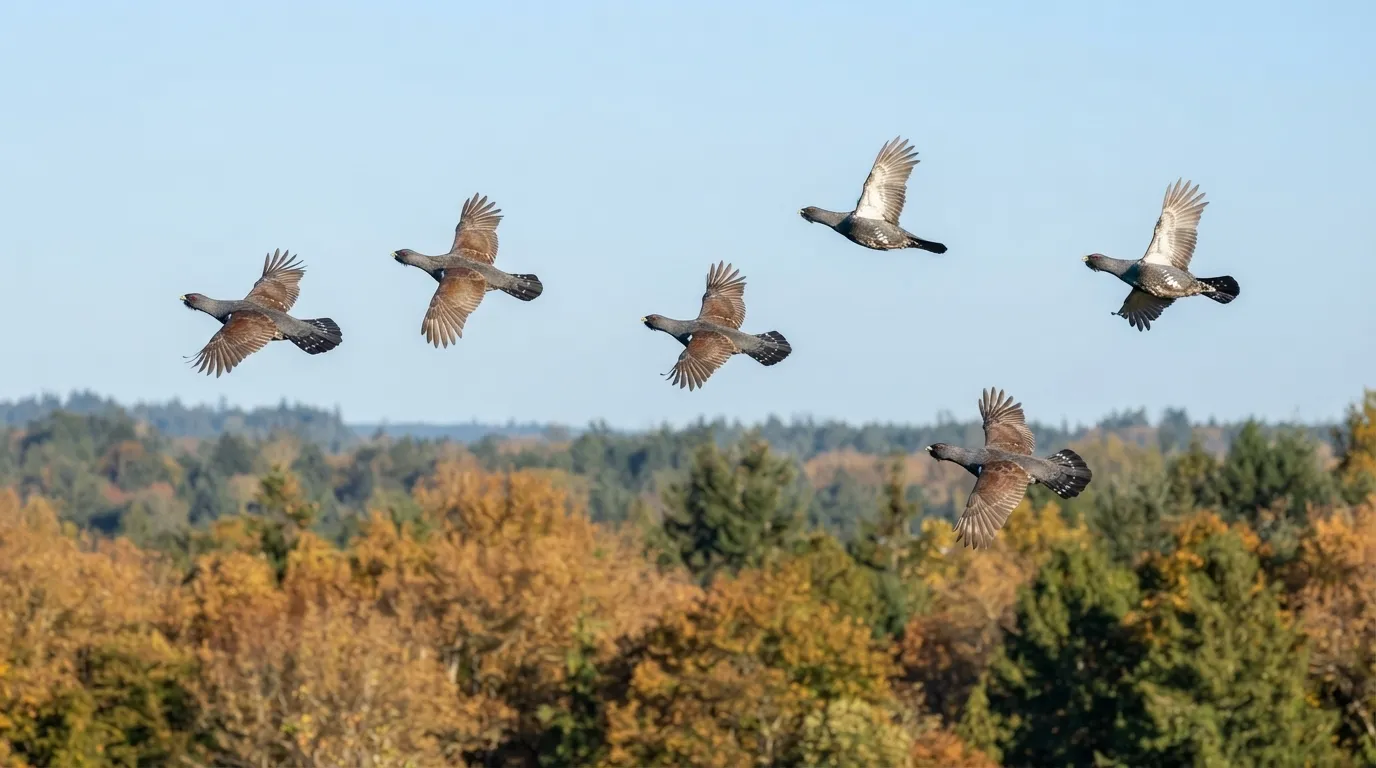
Grouse are generally non-migratory birds and often remain within relatively small home ranges, although their location can shift with season, elevation, food availability, weather, and habitat conditions. On Vancouver Island, hunters may commonly encounter grouse in:
Higher Elevations: Sooty Grouse are often associated with higher-elevation and mountainous habitats. Second-Growth Forests: Younger forests, forest edges, openings, and areas with a mix of food and protective cover can provide productive grouse habitat. Forest Roads and Edges: Grouse are often seen along forest-road edges. Hunters using roads for scouting must follow all no-shooting, firearm-discharge, private-land, and motor-vehicle restrictions.
The general grouse season applies across MUs 1-1 to 1-15, subject to local no-hunting, no-shooting, access, park, and special-area restrictions. There is no open season for upland game birds on Denman Island in MU 1-6.
The general open season for Sooty and Ruffed Grouse runs from September 1 to December 31 in MUs 1-1 to 1-15, subject to local closures. A separate bow-only season runs from August 20 to August 31 where permitted. Restrictions: The August bow-only season does not apply on the Gulf Islands in MU 1-1 (except Gabriola Island), Zone B of MU 1-5, or on Denman and Hornby Islands in MU 1-6. Always check the applicable Management Unit, special-area restrictions, and current regulations. Hunting is prohibited in national parks and ecological reserves.
Vancouver Island includes many protected areas where hunting is prohibited or restricted. Hunters should always confirm whether hunting is permitted in a specific park or protected area before entering the field. Always check current regulations and applicable park boundaries.

The right conditions can significantly impact your success when hunting grouse on Vancouver Island:
Understanding these conditions can significantly increase your chances of a successful and safe hunt.
Hunt only during the applicable open season. The general season for Sooty (Blue) and Ruffed Grouse runs from September 1 to December 31, with a bow-only season from August 20 to August 31 where permitted.
Hunters under 18 must be accompanied and under the close personal supervision of an adult who meets the prescribed qualifications to act as a supervising hunter.
Falconers holding a valid possession permit may hunt grouse with the use or aid of raptors during the regular open season and applicable bow-only seasons.
The daily bag limit is 5 Sooty Grouse and 5 Ruffed Grouse, with a possession limit of 15 of each species.
There is no open season for upland game birds on Denman Island.
Motor vehicles, boats, and other mechanical devices may not be used to herd or harass wildlife. Wildlife may not be shot from a motor vehicle.
Recorded or electronic calls may not be used to hunt grouse or other game birds.
Wireless cameras may not be used for the purpose of hunting.
Grouse may not be hunted from one hour after sunset to one hour before sunrise.
A separate species licence is not required for grouse. Non-B.C. residents require a $50 Upland Game Bird Licence in addition to their applicable hunting licence.
Hunters must follow all applicable Management Unit, park, private-land, access, firearm-discharge, no-hunting, and no-shooting restrictions.
Hunters using the Gulf Islands Special Hunting Area must comply with special-area requirements, including a Special Area Licence for adults and $100,000 in liability insurance.
The cost of grouse hunting trips on Vancouver Island starts at $600. Prices vary depending on factors such as the duration of the hunt, included services, and the level of accommodation provided. Customizable packages are available to suit your preferences.
Working with an experienced guide outfitter can provide valuable local knowledge, field support, equipment assistance, and access guidance for a grouse hunting trip. Outfitters can help hunters identify suitable habitat, understand seasonal grouse behaviour, and navigate local access restrictions. Non-resident and non-resident alien hunters may hunt small game unaccompanied if they hold an unrestricted hunting licence. Hunters holding a restricted licence must be accompanied by a guide outfitter, assistant guide outfitter, or holder of a valid Permit to Accompany.
Research seasons, requirements, and logistics well ahead of time.
Select appropriate Management Units (MUs) and verify local boundaries.
Acquire your hunting licence and upland game bird tags prior to your trip.
Partner with certified guides who prioritize safety and sustainability.
Always point your gun barrels down when closing your firearm, and never lift the barrels to meet the stock.
Keep your firearm unloaded and broken open when walking or climbing over obstacles.
Only shoot after positively identifying the grouse and confirming that the direction of fire and area beyond the target are safe.
Wear safety equipment, including hearing protection, eye protection, and durable boots, to ensure a safe hunting experience.
Highlight the role of hunting in grouse conservation and promote ethical practices:
Hunting helps control grouse populations and prevents overgrazing of their habitats.
Ethical hunters respect wildlife by avoiding illegal methods and ensuring quick, humane harvests.
Minimize disturbance to the environment by sticking to established trails and avoiding sensitive areas.
This section reinforces the importance of responsible hunting practices and respect for the ecosystem.
Provide practical advice for preparing a grouse hunting adventure:
Proper preparation ensures a rewarding and safe hunting experience.
Understanding grouse behavior and habitat preferences is key to a successful hunt.
Grouse are non-migratory birds that remain in the same area throughout their lives. They prefer high-elevation regions, second-growth forests, and gravel roads.
Grouse primarily feed on insects, seeds, berries, and buds, with their diet varying by season. In the fall, they often forage on berries and shrubs.
Grouse are most active at dawn and dusk, making these times the best for hunting. They are territorial birds, with males defending their areas aggressively.
This section helps hunters better understand where and when to find grouse for a successful hunt.
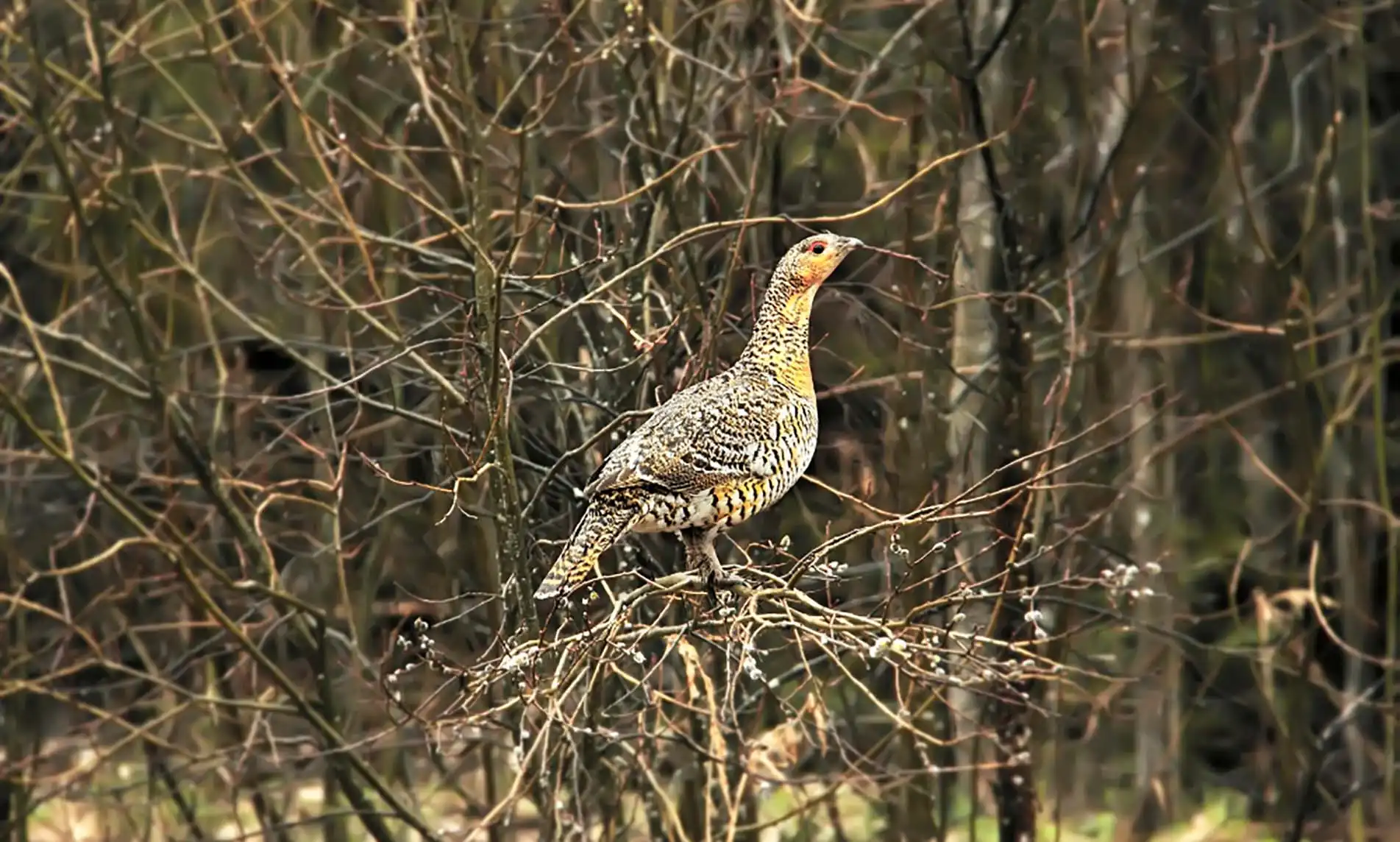
Celebrate the culinary rewards of a successful hunt:
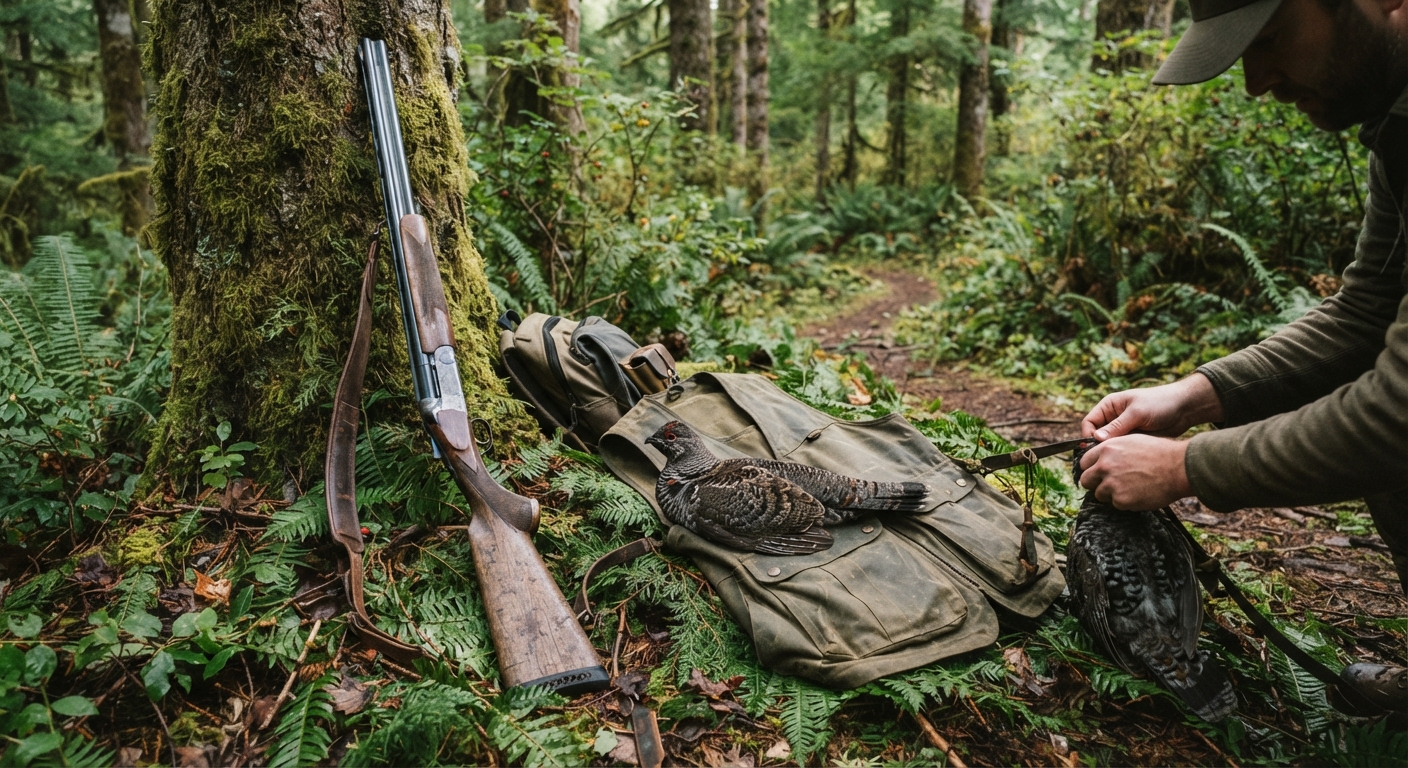
Meat Preparation:Field-dress grouse as soon as possible to preserve the quality of the meat. Grouse can be cooked fresh or frozen for later use.
Recipes:Popular options include roasted grouse, grouse stew, or grilled grouse with a berry glaze. Grouse meat’s lean, delicate flavor pairs well with earthy and sweet ingredients.
Using the Whole Bird:In addition to the meat, grouse feathers can be used for fly tying, and bones can be boiled for stock.
Culinary Reward:This section appeals to hunters interested in making the most of their harvest.
Hunters on Vancouver Island can choose from a variety of methods for harvesting grouse, as outlined by the BC Hunting and Trapping Regulations:
Both rimfire and centrefire rifles, as well as air rifles, are permitted where firearm discharge is legal. Positively identify the bird and ensure a safe background.
Commonly used in dense forests. Pump, repeating, and autoloading shotguns must have a magazine plug preventing more than two cartridges.
Crossbows, compound, recurve, and longbows may be used. A special bow-only season runs from August 20 to August 31 where permitted.
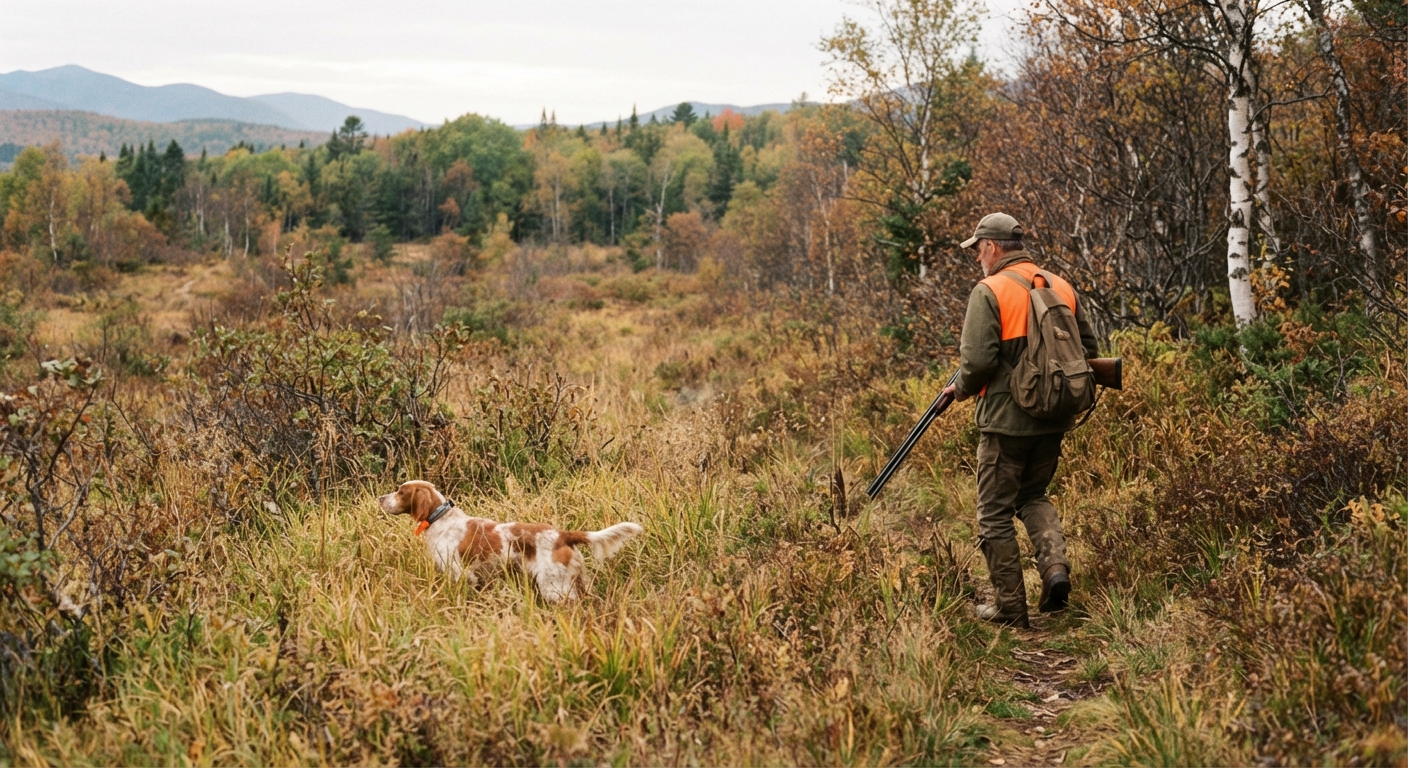
Falconers with valid permits may use raptors. Dogs may be used to locate, flush, and retrieve grouse where otherwise permitted.
Stay informed with the latest updates and official regulations before heading into the field:
Find answers to the most common questions regarding regulations, seasons, and field best practices for grouse hunting in British Columbia.
Yes. The grouse species covered by the current hunting regulations are Sooty Grouse, also referred to as Blue Grouse in the Synopsis, and Ruffed Grouse.
Sooty Grouse and Ruffed Grouse are the two grouse species covered by the current Region 1 hunting regulations.
The daily bag limit for grouse is 5 per species, with a possession limit of 15 per species.
Blue grouse typically weigh about 1 kilogram (2.3 pounds), with males being slightly larger than females.
Dusky grouse meat is lean and flavorful, often described as having a mild gamey taste with a tender texture, similar to chicken but with a richer flavor.
Yes, grouse is highly prized for its delicate, lean white meat. It can be cooked fresh or frozen for later use and works well in recipes that typically call for chicken.
Grouse may be active around dawn and dusk, making early morning and late afternoon productive hunting periods. Hunters must stay within legal hunting hours: grouse may not be hunted from one hour after sunset to one hour before sunrise. The regular season runs from September 1 to December 31, with a bow-only season from August 20 to August 31 where permitted.
What weather is best for grouse hunting?
It is possible to hunt grouse in any weather during the open season, but they prefer being out during sunny days.