
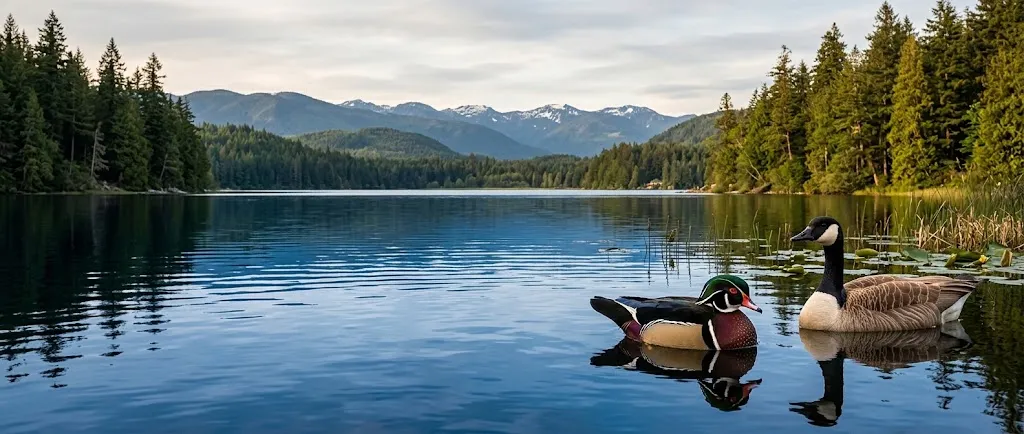

Experience exceptional waterfowl hunting across Vancouver Island's abundant lakes, rivers, wetlands, and coastal areas with licensed professional outfitters.
Duck and goose hunting provides opportunities to manage waterfowl populations, which can otherwise cause damage to local crops, golf courses, and gardens. With long seasons and rising populations, waterfowl hunting rivals big game hunting in both excitement and reward. Delicious Meat: Goose breasts are often compared to high-quality cuts of beef. Memorable Experiences: Hunting often includes lively conversations and camaraderie in blinds or boats. Big Targets: Canada geese, weighing up to 15 pounds, offer an impressive challenge.
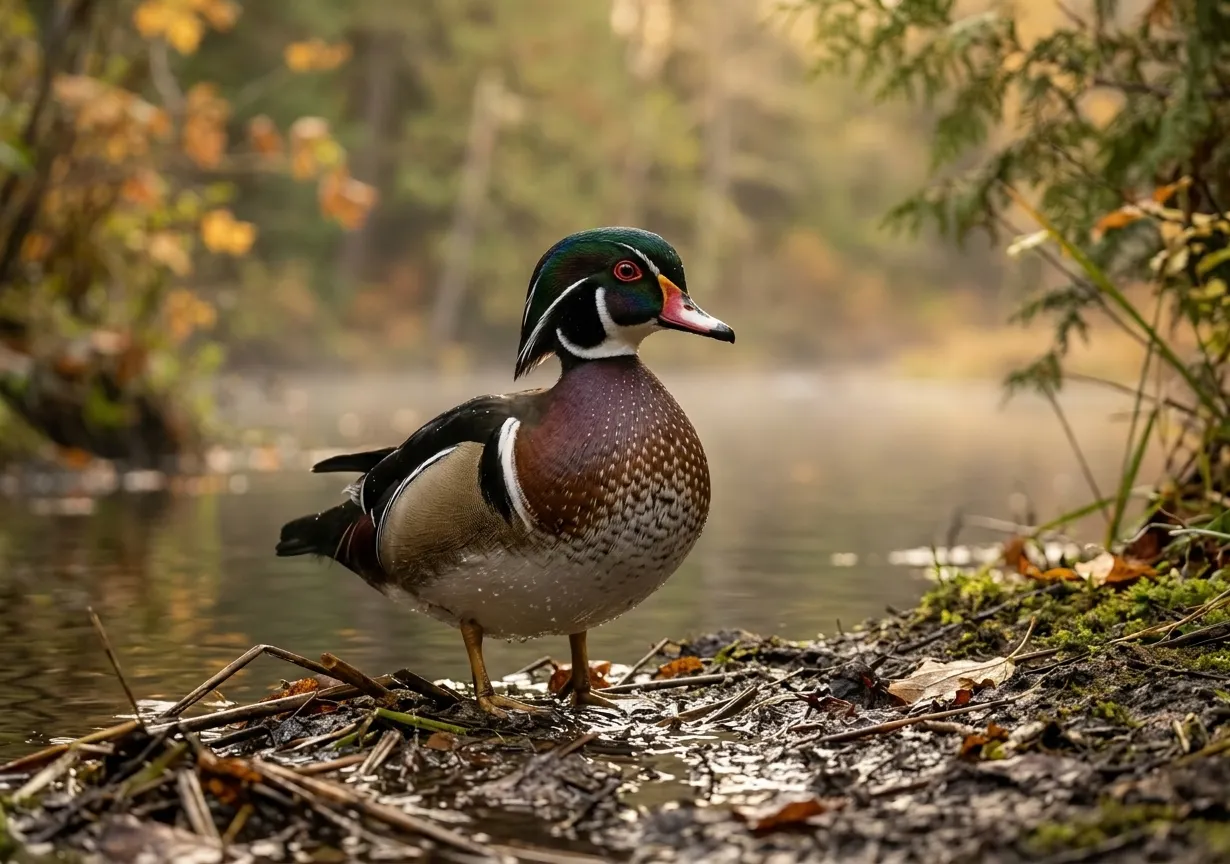
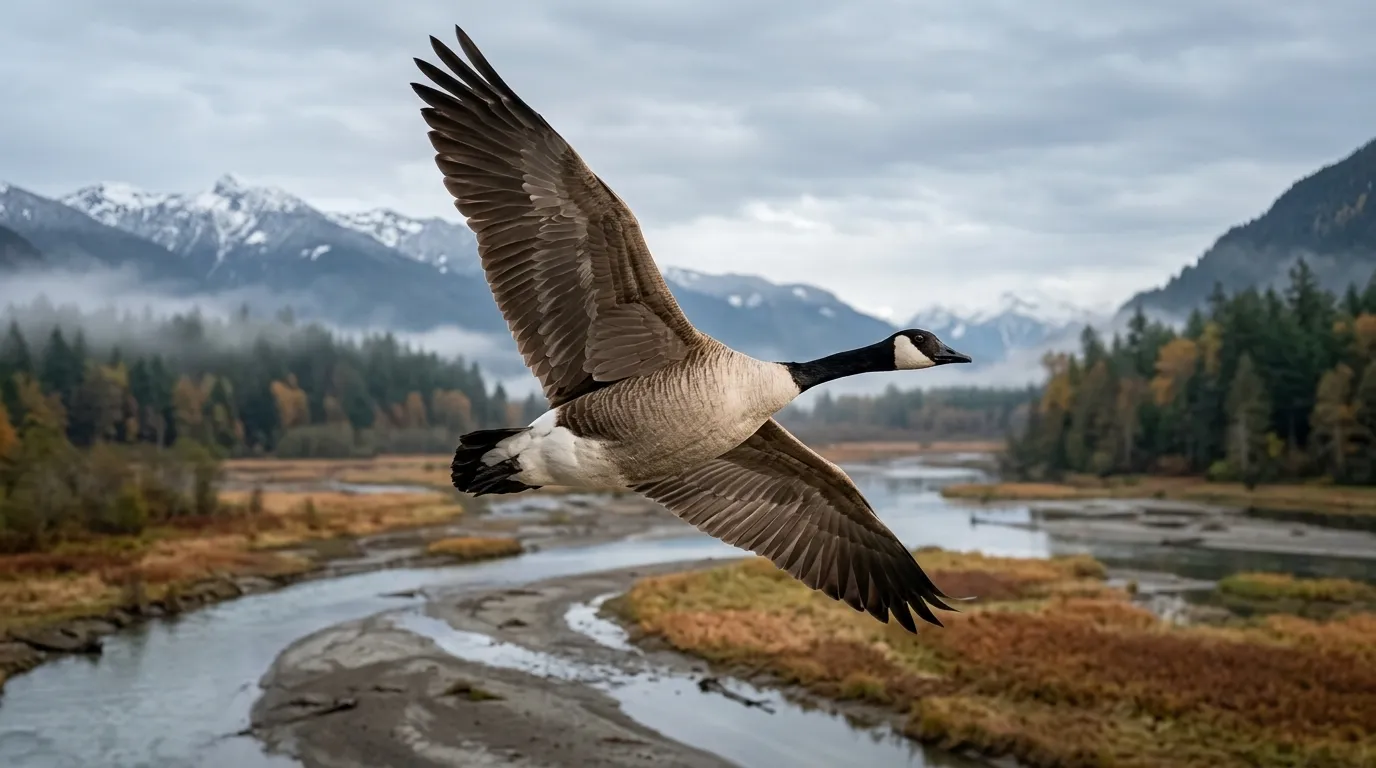
Vancouver Island offers a variety of waterfowl hunting opportunities across coastal, wetland, river, lake, and agricultural habitats. Popular areas may include Tofino, South Nanaimo, Port Renfrew, Jordan River, Sooke, Victoria, Courtenay, Campbell River, and Port Hardy.
Waterfowl are commonly found around lakes, rivers, ponds, estuaries, wetlands, coastal areas, and agricultural fields. Hunters must confirm local access, Management Unit rules, municipal bylaws, no-hunting and no-shooting areas, and protected-area boundaries before heading out.
Hunting is prohibited within Pacific Rim National Park Reserve, including the Long Beach Unit. The Nanaimo River estuary is also subject to municipal restrictions, with hunting permitted only in designated areas during migratory bird seasons.
Duck and goose hunting seasons vary by species. Ducks, Snow and Ross’s Geese, and White-fronted Geese: October 10, 2026 to January 24, 2027, and October 9, 2027 to January 23, 2028. Canada and Cackling Geese: Season dates vary by Management Unit and may include September, fall and winter, and February to March. Early mornings and late afternoons are productive. Legal hunting hours: one-half hour before sunrise to one-half hour after sunset.
Hunting is prohibited in national parks and ecological reserves. Hunting restrictions vary among BC Parks, so hunters must verify whether hunting is permitted in a specific provincial park before entering the field. Local no-hunting, no-shooting, municipal, private-land, and access restrictions may also apply.

Successful waterfowl hunting depends on understanding how weather and environmental factors influence bird behavior:
Understanding these factors helps hunters plan more effective trips and anticipate waterfowl movements.
Hunt only during the applicable open season and follow all species-specific and Management Unit restrictions.
Hunters under 18 must comply with provincial youth-supervision requirements and federal youth Migratory Game Bird Hunting Permit requirements.
Hunters must hold the appropriate provincial hunting licence and a valid Canadian Migratory Game Bird Hunting Permit.
Daily/possession limits: Canada/Cackling Geese (10/30), White-fronted Geese (5/15), Snow/Ross’s Geese (5/15), Ducks in aggregate (8/24, with sub-limits for specific species).
A shotgun used for migratory game birds must not be larger than 10 gauge and must not be loaded with a single projectile. Only one shotgun may be used at a time.
Migratory game birds may not be hunted from a power boat unless the boat is beached, resting at anchor, or fastened within a fixed hunting blind.
Only non-toxic shot may be used when hunting ducks and geese.
Migratory game birds may not be hunted within 400 metres of a place where bait has been deposited unless the area has been free of bait for at least 7 days.
Migratory game birds may be hunted only from one-half hour before sunrise to one-half hour after sunset.
Wireless cameras may not be used for the purpose of hunting.
Duck and goose hunting on Vancouver Island typically starts at $1,000 per hunter for a one-day trip. Costs may vary depending on the hunting package, which can include licenses, cleaning and packaging services, decoys and blinds, shotgun rentals, and meals.
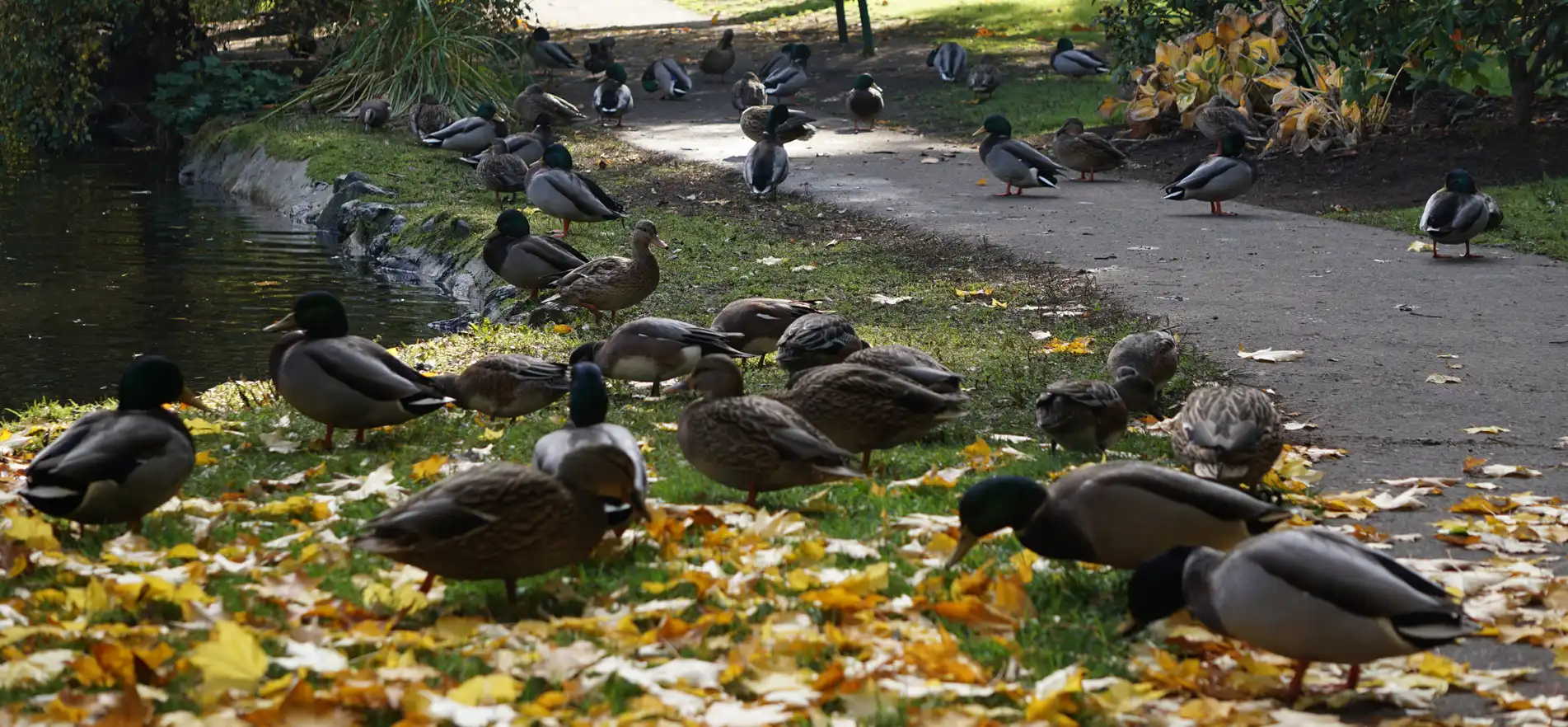
Working with an experienced guide outfitter can make a duck and goose hunting trip more organized, efficient, and enjoyable. Local outfitters understand waterfowl movement, habitat, weather conditions, and productive hunting areas.
Understand waterfowl behaviour, identify suitable habitat, and adapt strategies to changing conditions.
Locate productive areas where hunting is legally permitted and assist with private land access.
Provision or assistance with decoys, calls, blinds, transportation, and other hunting equipment.
Help understanding applicable seasons, bag limits, permits, and Management Unit restrictions.
Use Decoys Wisely: Spread decoys in open formations to mimic natural bird behavior and adjust spacing to match weather.
Stay Still: Ducks and geese have sharp eyesight. Remain as motionless as possible when birds approach.
Be Prepared for Weather: Carry appropriate clothing and equipment to stay comfortable in unpredictable conditions.
Safety First: Always wear a life jacket when hunting near water, and inform someone of your location and expected return time.
Know Your Firearm: Practice shooting to improve accuracy and ensure your shotgun is in good working condition.
Focus Your Shots: Avoid flock shooting to prevent wounding multiple birds. Aim for individual birds for a cleaner harvest.
Educate hunters about the role of sustainable hunting in preserving waterfowl populations and their habitats:
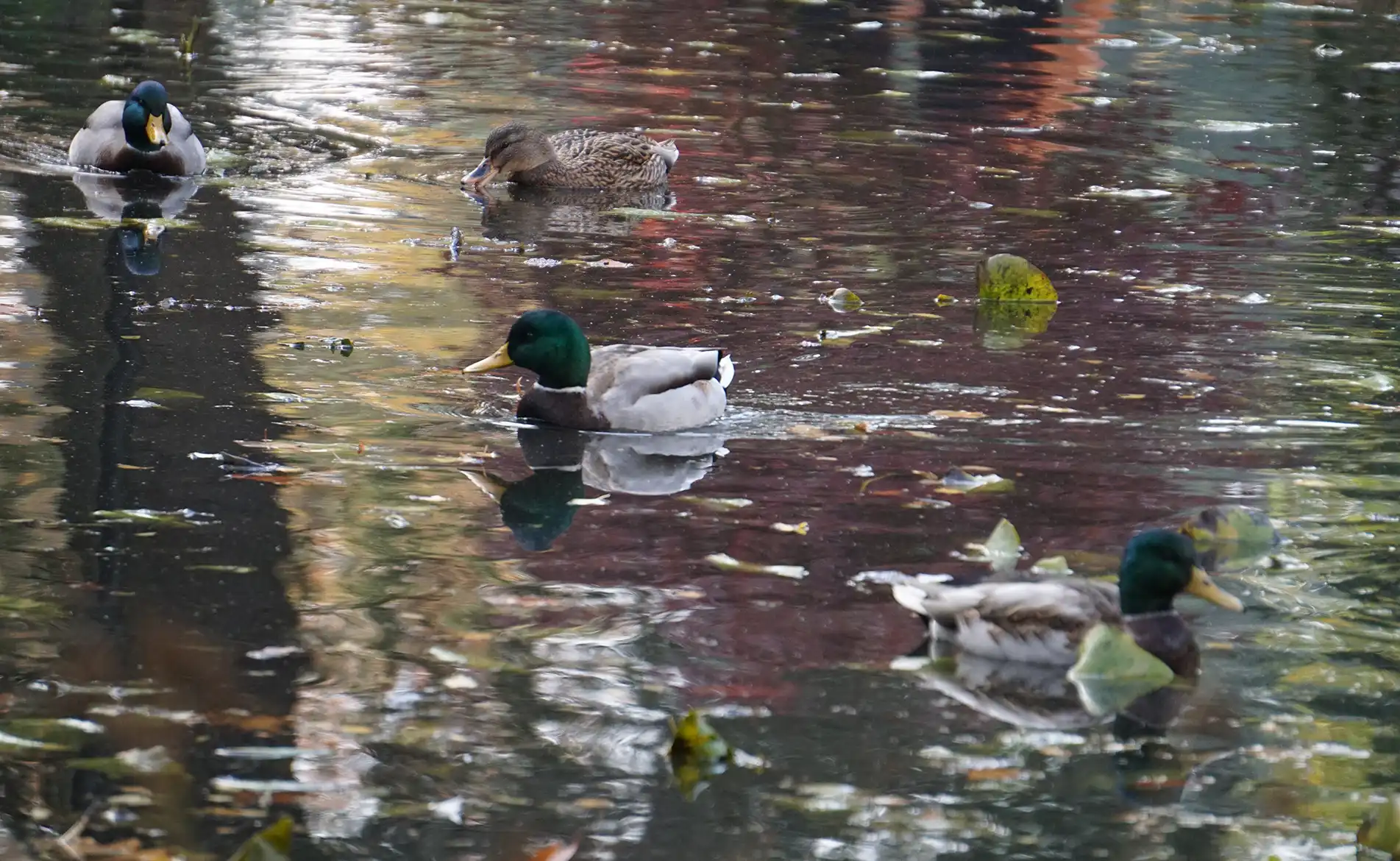
Hunting helps control overpopulated species like Canada geese, which can damage crops and ecosystems.
Hunting licenses and permits contribute to funding wetland preservation and wildlife conservation efforts.
Encourage hunters to minimize wounding rates by improving shooting skills and using appropriate gear.
Retain edible portions. When transporting, one feathered wing or the feathered head must remain attached to the carcass.
This section targets beginner hunters and covers essential preparation steps:
Proper preparation ensures a rewarding and safe waterfowl hunting experience.
Provide a detailed guide to the waterfowl species commonly found on Vancouver Island, including tips for identifying and hunting them:
The largest waterfowl species, weighing up to 15 pounds. Known for their deep honking call and large V-shaped flight formations.
Smaller white geese with black wingtips. Snow geese are larger, while Ross’s geese have a shorter neck and stubby bill.
Also called the “Specklebelly Goose,” they have a distinctive speckled breast and pinkish-orange bill.
Include mallards, pintails, teals, and canvasbacks, each with unique characteristics and preferred habitats.
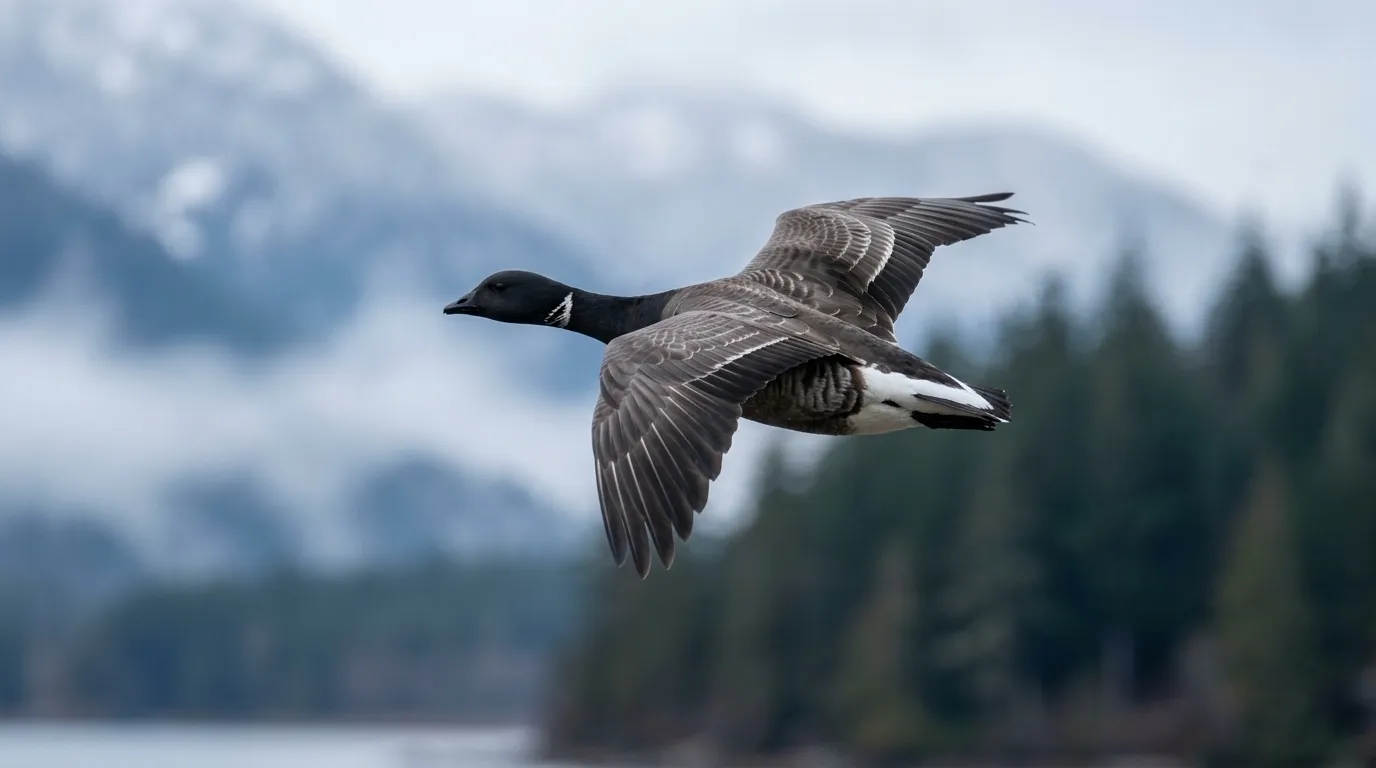
Include practical tips and recipes for preparing ducks and geese:
Meat Preparation: Instructions for cleaning, plucking, and aging waterfowl for the best flavor.
Popular Recipes: Share recipes for roasted duck, goose stew, and smoked waterfowl.
Using the Whole Bird: Ideas for making stock from bones and using feathers for crafts or fly tying.
Waterfowl behaviour changes throughout the hunting season, so successful strategies often depend on migration patterns, weather conditions, and hunting pressure.
September opportunities primarily involve Canada and Cackling Geese. Birds may be less pressured, making scouting and natural decoy spreads effective.
October through December provides the broadest overlap. Migrating birds and changing weather create productive conditions. Adjust decoy placement and calling.
Seasons extend into January, with some Canada Goose opportunities into February/March. Late-season birds are more cautious, making careful concealment essential.
Always check the applicable species, Management Unit, open-season dates, and special-area restrictions before planning a hunt.
Stay informed with the latest updates and official regulations before heading into the field:
Find answers to the most common questions regarding regulations, costs, seasons, and field best practices for waterfowl hunting in British Columbia.
Waterfowl hunting, also called wildfowling, is the pursuit of migratory game birds like ducks and geese for food and sport. It often involves the use of shotguns, decoys, and blinds to attract and harvest these birds.
Prime waterfowl hunting locations include Tofino Inlet, South Nanaimo, Port Renfrew, Jordan River, Sooke, and Victoria. Coastal areas, lakes, rivers, and agricultural fields provide excellent opportunities for ducks and geese.
Yes. Duck and goose hunting is legal during the applicable open seasons when hunters hold the required provincial hunting licence and federal Migratory Game Bird Hunting Permit and comply with bag limits, legal hunting methods, firearm restrictions, and local hunting-area rules. Hunting is prohibited in national parks and ecological reserves.
Ducks and geese are highly sensitive to movement and sound. While you can talk when birds are distant, it’s essential to remain still and quiet when they approach. Effective calling also requires knowing when to stay silent.
Properly trained dogs enhance the hunting experience by retrieving birds without disturbing the flock. However, poorly trained dogs can scare waterfowl if they bark or move erratically.
Avoid common mistakes like poor concealment, improper scouting, incorrect decoy placement, overcalling, and mistimed shots. These can scare away waterfowl and reduce your chances of success.
Non-toxic shot is required when hunting ducks and geese. Shotguns must not be larger than 10 gauge and may not be loaded with a single projectile.
Waterfowl hunting packages typically start at $1,000 per hunter for a one-day trip. Costs depend on the package details, such as included gear, guides, and additional services.